
Commercial Plumbing in Boulder for Restaurants, Offices and Rentals
A plumbing failure in a business costs more than the repair. A restroom out of service, a kitchen that cannot drain or a leak over inventory means lost customers and lost hours.
Commercial plumbing also follows different rules from a house: bigger lines, more fixtures, grease control and permits that depend on how the space is used.
- Licensed and insured plumbers
- Same-day service when available
- 24/7 emergency dispatch
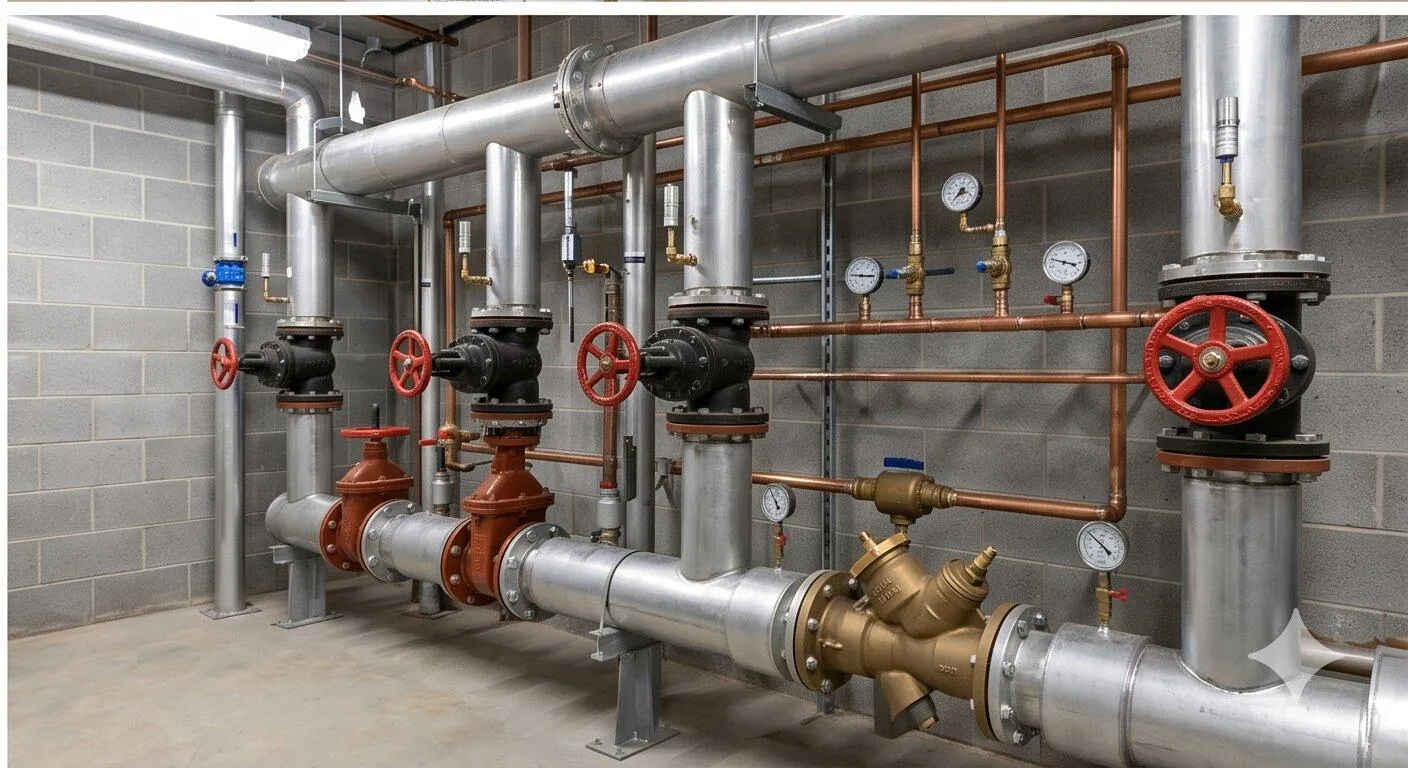
Restaurants and food service: grease, floor drains and kitchen lines
A kitchen sends heavy loads down its drains: grease, food solids and hot water. Without a grease interceptor, fats cool and coat the pipe wall until the line narrows and backs up. Floor drains in the prep area show the first signs.
- Slow floor drains in the kitchen: grease or food buildup in the branch
- Grease smell near the back line: interceptor due for cleaning
- Sink backing up with every dishwasher cycle: line narrowed downstream
- Water pooling at a floor sink after closing: drain not keeping up
- Repeated cable-and-clear calls to the same spot: a camera inspection is overdue
A plumber can clear the line, inspect it with a camera and tell the manager whether the interceptor needs cleaning or resizing. A cleaning on the calendar costs less than an emergency during a dinner rush.
Offices, retail and restrooms
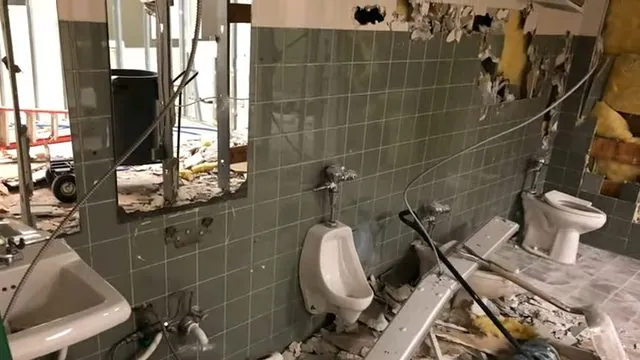
Restrooms get constant use and they are the plumbing customers see. A running toilet, a leaking faucet or a clogged urinal needs a quick fix. A flushometer valve, a commercial toilet and a wall-hung sink each use parts that differ from residential ones.
| Fixture | Typical failure | Plumber's response |
|---|---|---|
| Flushometer toilet or urinal | Weak flush, constant run, leaking valve | Rebuild or replace the valve |
| Wall-hung or ADA sink | Slow drain, loose mounting | Clear the trap, secure the carrier |
| Commercial faucet | Drip, spray pattern, sensor failure | Replace cartridge or sensor |
| Floor drain in a restroom | Odor from a dry trap | Refill, clean, or replace trap primer |
| Water fountain or break room sink | Low flow, filter issues | Service supply and filter |
Fixture counts and accessibility rules shape what can be installed in a space. When a tenant improvement adds a restroom or a sink, the plan starts with the fixture count for the occupancy.
Business plumbing down? Call the dispatch line
Say what is not working and when the business is open, and a plumber serving your area can schedule around you.
☎ Call (303) 567-7524Multifamily buildings, rentals and who pays
In apartments and rental properties, the first question is whose pipe it is. A tenant's fixture is one thing, and a shared stack that serves several units is another. A plumber documents where the problem sits and which units it affects.
- Identify the affected units and shut off the right valve.
- Photograph the damage and note the time it was found.
- Call the property manager or owner before authorizing a major repair.
- Have the plumber write down the location and cause.
- Keep records for the lease, the insurer and any dispute.
Maintenance contracts are worth asking about for restaurants and multi-tenant buildings, since scheduled drain cleaning and inspections catch problems between emergencies. Apartment buildings, light industrial space and storage units follow the same logic, with leak detection by meter test or camera before anyone opens a wall. Buildings with several floors have vertical stacks, where one blockage can back up the lowest unit first. A camera inspection finds the source quickly and tells the manager whether the stack needs cleaning or repair.
Permits, plans and tenant improvements
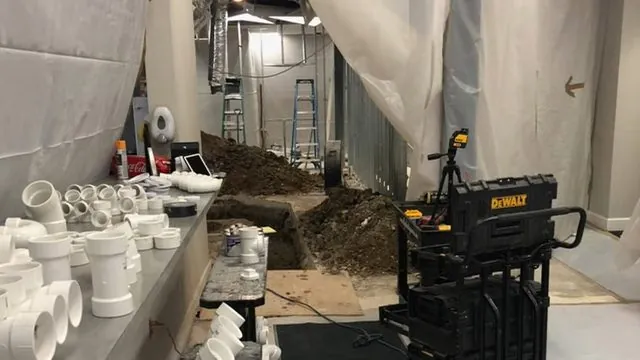
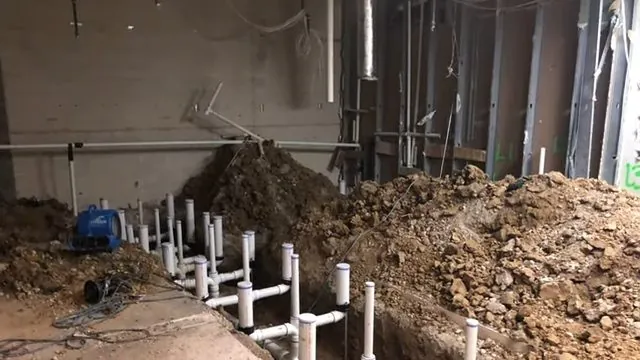
A tenant improvement that adds restrooms, sinks or a kitchen has plumbing in the plan. The permit follows the building's jurisdiction, and a plumber who knows the process can assemble the fixture count and the piping layout.
- Fixture count tied to occupancy and use
- Isometric diagram of supply, waste and vent lines
- Gas piping layout where gas appliances are planned
- Review by public health for retail food establishments
- Rough-in and final inspections by the building office
Check whether the building is inside a city or in unincorporated county, since the office differs. Ask early so the plan does not have to be redrawn.
Planning a tenant build-out or fixing a leak? Call
A plumber can review the space, the fixtures and the permit path.
☎ Call (303) 567-7524Commercial plumbing questions from Boulder businesses
Does a restaurant in Boulder need a grease interceptor?
Boulder's code applies to restaurants, caterers and food production facilities that send fats, oils and grease from kitchen plumbing to the sewer. The city's pretreatment program says many businesses already meet the requirement while others need to install equipment or change how they operate. A plumber can inspect the setup and describe what a hydromechanical interceptor involves.
A restroom is backing up during business hours. What should the manager do?
Stop using the fixtures that are backing up, put out a closed sign and call a plumber right away. If several fixtures back up together, the problem is likely in the main building drain. Keep customers and staff away from the water and do not run more water down the drains until the line is cleared.
Do commercial plumbing jobs need permits?
Usually. Boulder County's commercial plan checklist asks for a plumbing fixture count based on occupancy and use, along with piping plans for water supply, sewer and waste lines, vents and gas. The city has its own office for buildings inside city limits. A plumber can tell you which plans a given job triggers.
Can a plumber work after hours so the business does not close?
Often. A plumber serving your area can arrange evening or early morning visits for scheduled work, and the dispatch line is open around the clock for emergencies. Tell the dispatcher your hours and how the leak affects operations so the visit can be planned around customers.
Who is responsible for plumbing in a rented space?
The lease decides. Tenants often handle fixtures inside the suite, while the landlord covers the building's main lines and common areas. Read the lease and call the property manager before authorizing a repair, and ask the plumber to write down where the problem sits so the right party pays.
Plumbing that overlaps with commercial work
A backed-up main is a sewer line problem. A kitchen that keeps clogging may need regular drain service. Water on the floor leads to water removal, and a heater serving a business may need replacement.
Business plumbing emergency? Call a plumber now
Describe the problem and your hours, and a plumber serving your area can respond.
☎ Call (303) 567-7524- Licensed and insured plumbers
- Same-day service when available
- 24/7 emergency dispatch