
Water Line Repair in Boulder: Know Where the City's Pipe Ends
A water line problem is usually a surprise: a lawn that stays soggy in a dry week, a bill that jumped, a faucet that sputters. The pipe between the meter and the house is buried, so the signs show up before the break does.
A common assumption is that the city fixes any leak in the yard. In Boulder, it depends on which side of the meter the water is coming from.
- Licensed and insured plumbers
- Same-day service when available
- 24/7 emergency dispatch
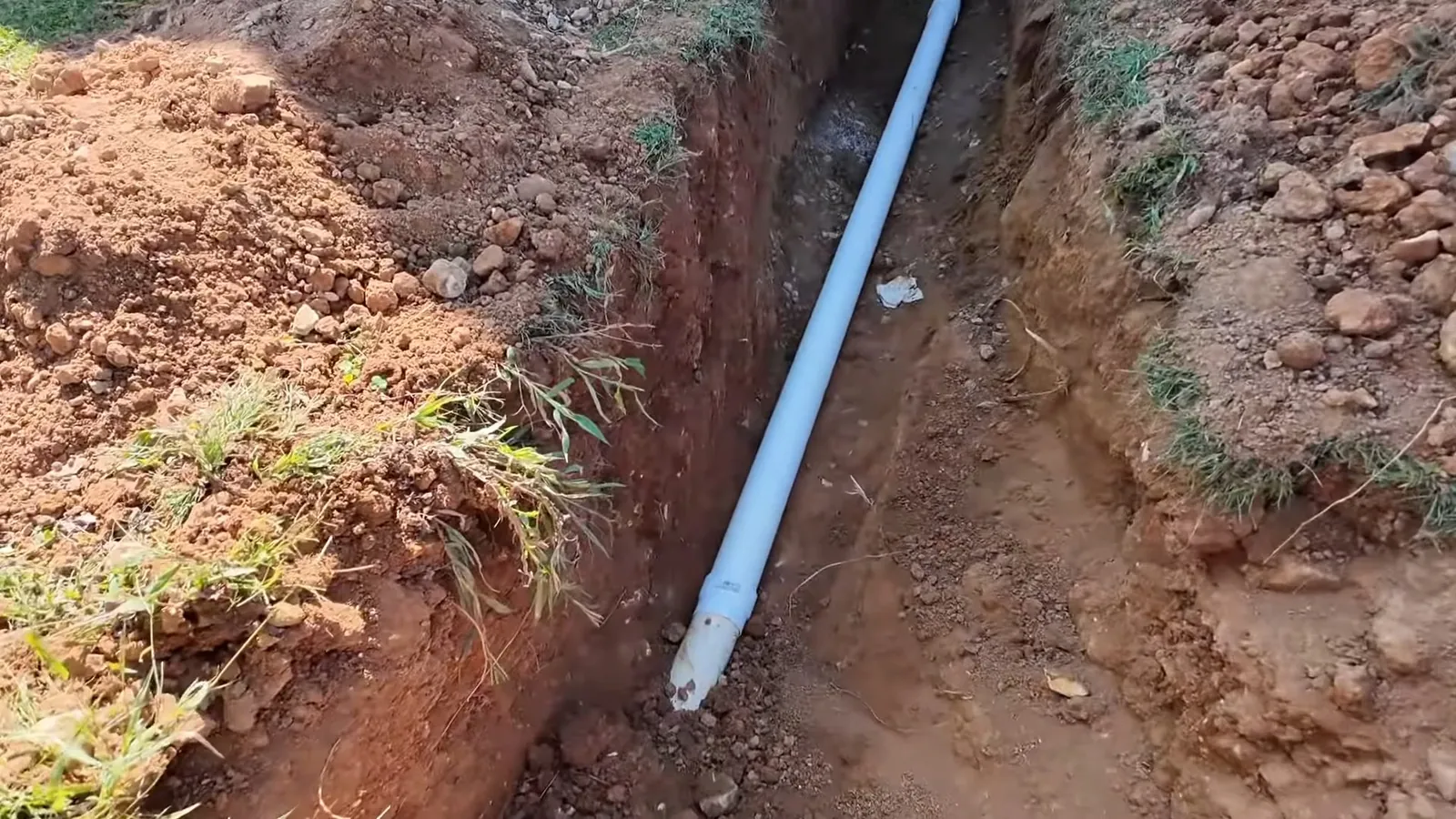
Whose pipe leaks: the meter is the dividing line
Before calling anyone, find the meter. The pipe from the street main to the meter is the city's. The pipe from the meter into the house is yours. Knowing that saves a call to the wrong office and tells you who pays for the repair.
| What you see | Likely location | Who handles it |
|---|---|---|
| Water bubbling up in the street near the meter pit | Main or street-side service line | City utility |
| Meter spinning with the house valve closed | Between the meter and the house valve | Plumber, property owner |
| Soggy lawn strip from the meter to the house | Buried service line on your side | Plumber, property owner |
| Pressure low everywhere in the house | Main valve, regulator or service line | Plumber tests first |
| Damp basement wall with no pipe nearby | Possible groundwater seepage | Property owner, see groundwater note |
When it is unclear, a plumber can run a pressure and flow test that separates a house-side leak from one the city should look at. The test costs a visit and saves a trench.
Low pressure, high pressure and a regulator that has quit
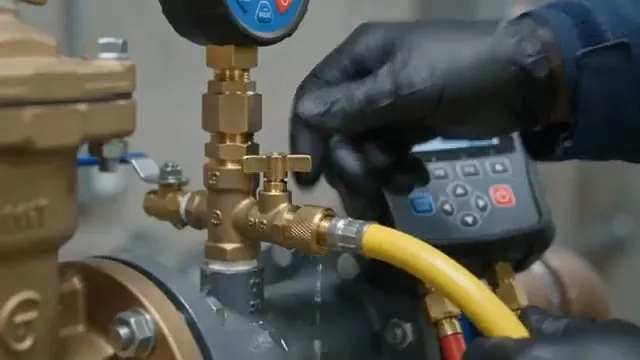
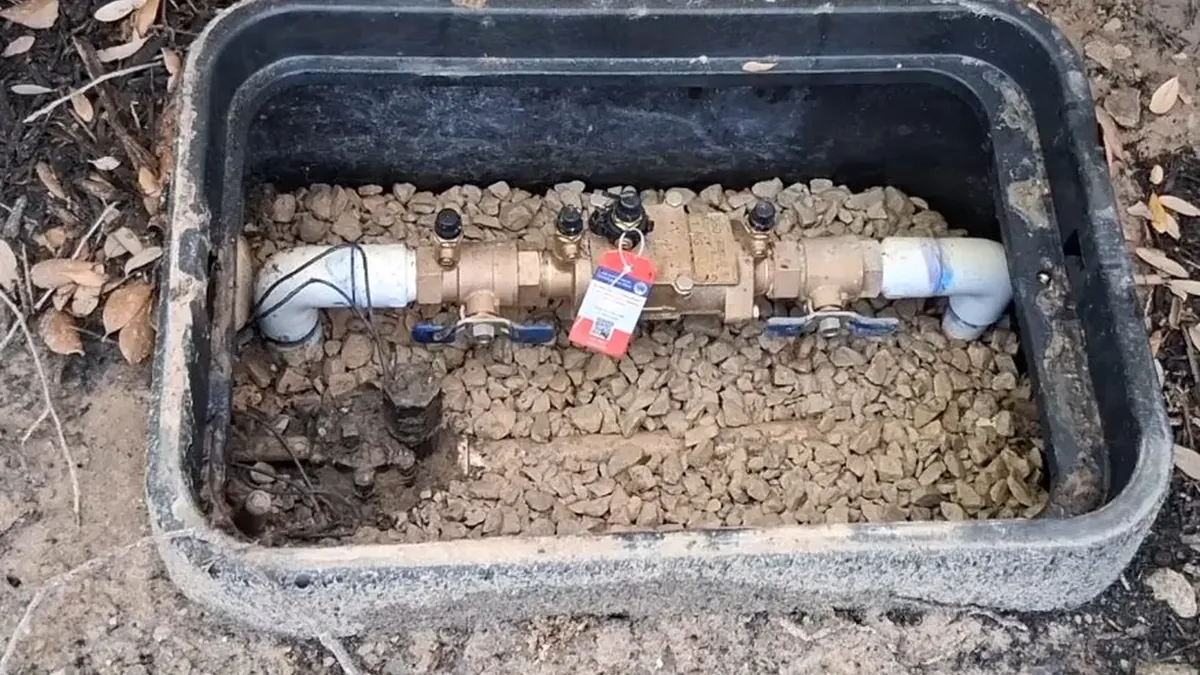
Pressure problems are not always leaks. A pressure-reducing valve, usually a bell-shaped brass fitting near the main, steps street pressure down for the house. When it fails, the house sees either too little or far too much.
- Low at every tap: regulator, partly closed valve or a restricted service line
- Low at one fixture: clogged aerator, a failing cartridge or a supply valve not fully open
- Too high: banging pipes, dripping relief valves and short appliance life
- Fluctuating: a failing regulator or air in the line
- Hissing near the main: a leak or a regulator on its way out
A plumber reads the pressure with a gauge at a hose bib. A reading in the normal residential range with a weak faucet points at that faucet. A reading that swings or sits too high points at the regulator, which is a short replacement.
Wet yard or weak pressure? Call a plumber
Say whether the meter is moving and where the water shows, and the dispatcher can pass it to a plumber serving your area.
☎ Call (303) 567-7524Repair or replace the service line?
A single break in a good pipe is a spot repair. A line that has leaked several times, is made of old galvanized steel or runs through shifting ground is a candidate for replacement. The plumber weighs the length, the depth, the material and what sits above the pipe.
- Locate the leak with a meter test and, where needed, an acoustic or tracer method.
- Decide between a spot repair and a new line from the meter to the house.
- Choose open trench or a trenchless method based on what is above the pipe.
- Install a new shutoff valve at the house end.
- Pressure test, backfill and schedule the inspection if a permit applies.
Landscaping, driveways and walkways raise the stakes. A trench under a patio costs more than one through lawn, so ask whether a pull-through method could keep the surface intact. A plumber can say honestly when the surface cannot be saved.
Meter, shutoff valve and the checks that prevent a flood
Two items do most of the work in an emergency: a main shutoff that turns, and an owner who knows where it is. A valve that has not moved in a decade tends to seize.
Pressure testing of lines is the quickest way to confirm a leak is gone after a repair, so ask for it. Ask the plumber to tag the main shutoff and show every adult in the house where it is. A shutoff that takes ten seconds to find costs far less than a flooded basement.
Main valve will not turn? Call now
A plumber can swap a seized valve and check the pressure while on site.
☎ Call (303) 567-7524Water line questions from Boulder homeowners
Who is responsible when the water line to my house leaks?
In Boulder the split is at the meter. The city owns the service line from the main under the street to the meter, and the customer owns the line from the meter into the home or building. A leak on your side is yours to repair, and a leak on the street side belongs to the city. Do not open the meter pit yourself.
My water pressure dropped suddenly. Is it the water line?
It can be, but check the easy causes first. If the pressure is low at every tap, a partly closed main valve, a failing pressure regulator or a leak in the service line can all be to blame. If only one fixture is weak, the cause is local to that fixture. A plumber tests the pressure at a hose bib and traces the line from there.
There is a wet patch in the yard and the meter is moving. What should I do?
A wet patch between the meter and the house along with a meter that keeps turning points to a leak on your side of the line. Shut the valve where the line enters the house, then watch the meter. If it stops, the leak is on the house side of the valve. If it keeps moving, the leak is between the meter and the valve. Call a plumber either way.
My main shutoff valve is stuck. Can I still stop the water?
A stuck or seized valve is a common reason emergency shutoffs fail. Do not force it with a wrench, since it can snap. A plumber can replace the valve and install a full-bore ball valve that turns with a quarter turn. Until then, call the city utility about the shutoff on the street side if water is running.
If the problem is not the buried line
A leak inside the house belongs with leak detection. A clog on the house side is a clogged line service matter. A split pipe in a wall points to pipe repair and repiping. Soaked flooring from a service line failure is a drying and removal job, and a sewer problem on the other side of the property is a sewer line question.
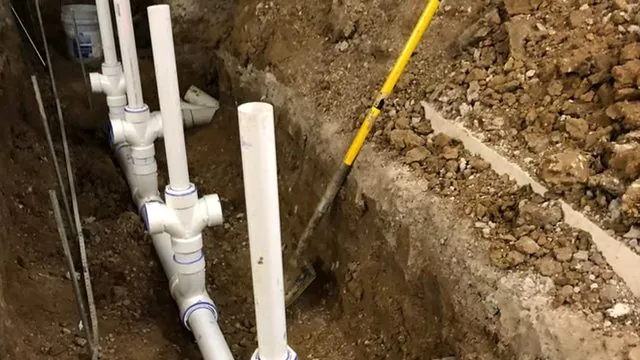
Water line trouble? Call and talk to a plumber
Describe the meter, the wet spot and the pressure, and a plumber serving your area can trace it.
☎ Call (303) 567-7524- Licensed and insured plumbers
- Same-day service when available
- 24/7 emergency dispatch