
Gas Line Repair and Installation in Boulder, Starting With Safety
When a call comes in about gas, the first question is whether anyone is still in the house. A plumber can fix the pipe, but the first steps belong to the occupants and the gas utility.
After the house is safe, a plumber inspects the line, repairs what failed and tests the result before anything is turned back on.
- Licensed and insured plumbers
- Same-day service when available
- 24/7 emergency dispatch
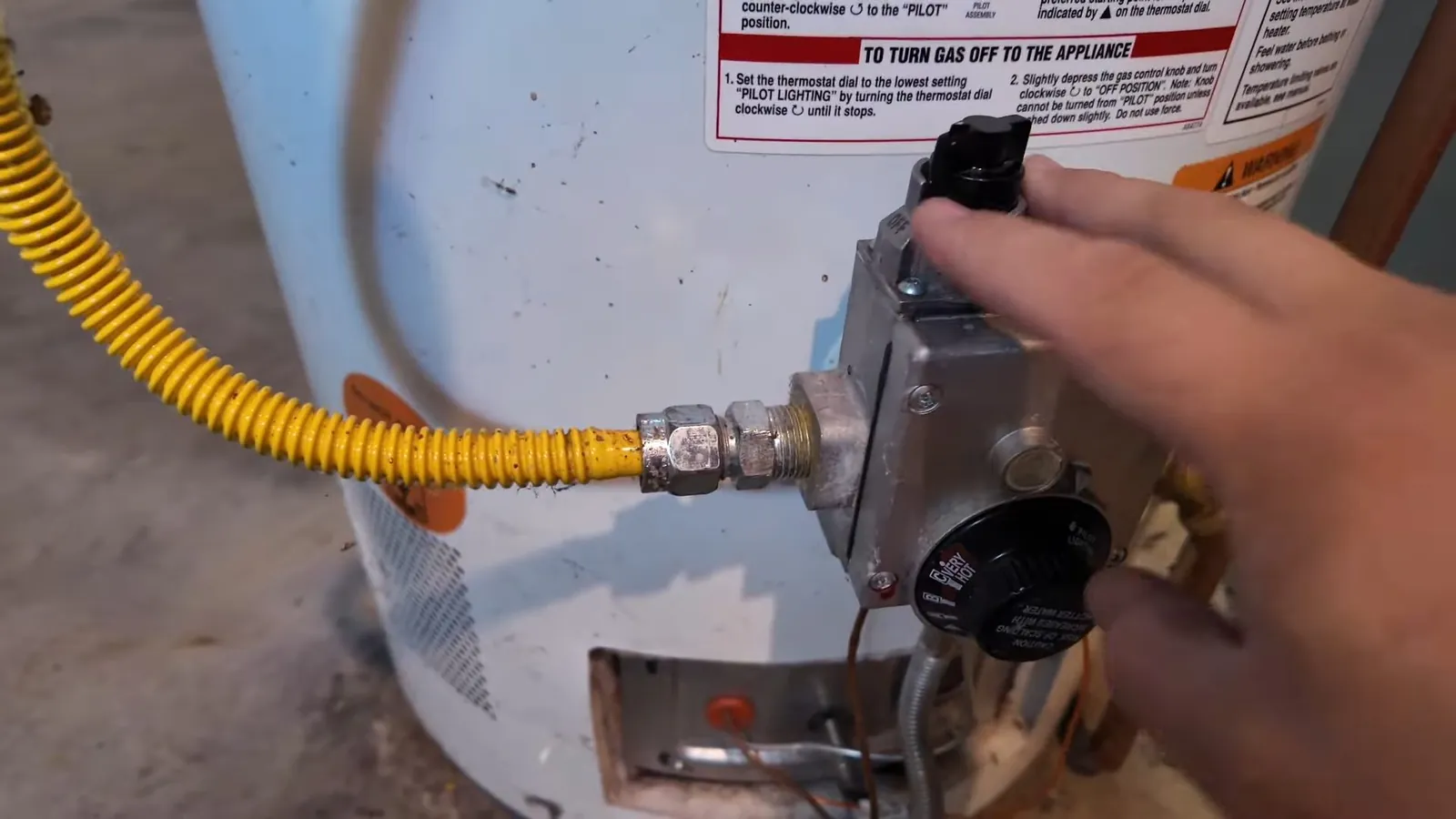
Smell gas? Steps that come before any repair
- Walk everyone out of the house without turning anything on or off.
- Leave doors as they are; do not stop to open windows.
- Call 911 or the utility from outside, away from the building.
- Do not re-enter until the utility says it is safe.
- Arrange for a plumber once the gas is shut off and the building is cleared.
Plumbers work on the house side of the meter. The utility controls the meter and service line. Once the house is cleared, a plumber can find the leak, usually at an appliance connector, a threaded joint or a corroded run.
Gas leak repair: finding the source and proving the fix
A plumber hunts leaks methodically. Appliance connections get checked first because flexible connectors age and fittings loosen. Then the exposed piping, the joints and the regulator area are checked with a leak detection solution or a gas sniffer.
| Where it leaks | Why it happens | What the plumber does |
|---|---|---|
| Appliance flex connector | Age, kinks or movement behind a range or dryer | Replace the connector and shutoff |
| Threaded joint on black iron | Loose or poorly sealed thread | Remake the joint and retest |
| Corroded section of pipe | Moisture or age along the run | Replace the section |
| Regulator or valve | Worn seals | Replace the part |
| Buried yard line | Shifting ground or damage | Replace the run; use approved fittings |
After any repair, the line is pressure tested. A line that holds pressure without losing it over a set time passes. Only then is the gas turned back on and each appliance relit and checked.
Gas work needed? Call the dispatch line
Name the leak or the appliance to connect, and a plumber serving your area can respond.
☎ Call (303) 567-7524New gas lines: ranges, dryers, fireplaces and grills
A new appliance usually needs a branch from an existing line, a shutoff valve within reach and a flexible connector rated for the appliance. Outdoor grills, fire pits and generators add a buried or exposed run and a different material question.
- Range or cooktop: branch line, shutoff valve and a listed connector
- Dryer: shutoff, connector and a check of the vent path
- Fireplace or log lighter: run, valve and sometimes a key valve
- Outdoor grill or fire pit: yard run, weatherproof fittings, shutoff at the house
- Backup generator: larger line and load calculation
Homes on propane use similar house piping with a different supply, so say which fuel you have when you call. Signs of a gas leak include a rotten egg smell, a hissing sound near a pipe or appliance, and dead plants near a buried line, and any of them means the leak repair support starts with the utility.
The plumber sizes the branch against the total load on the line. Adding a large appliance to an already loaded line can starve the others. That check is also why a quote should list the appliances it covers.
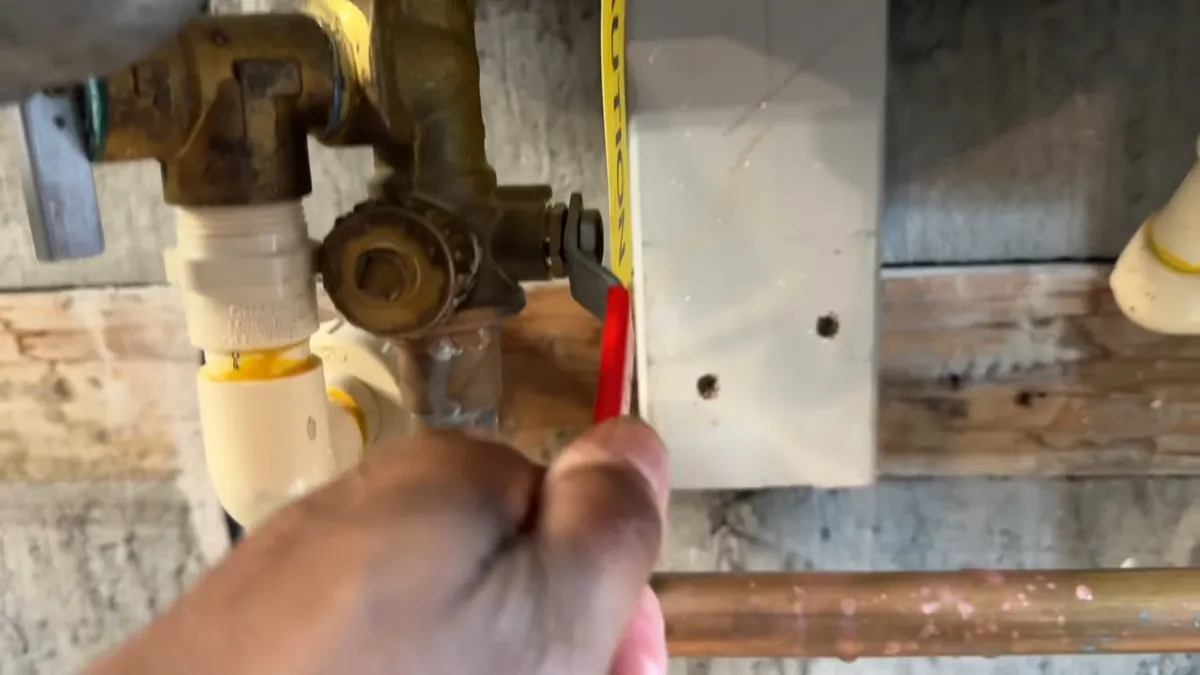
Black iron, CSST and replacing an old line
Older homes may have gas lines that have corroded, been modified several times or no longer match what the house uses. Replacing a section can be cleaner than patching it. The plumber chooses the material by route, access and code.
| Material | Where it fits | Watch for |
|---|---|---|
| Black iron | Main runs, exposed basements and utility rooms | Corrosion at joints; threaded connections |
| CSST (flexible stainless) | Fishing through finished walls and ceilings | Correct fittings and bonding per maker |
| Coated copper or approved plastic | Specific buried or outdoor runs where code allows | Transition fittings at the wall |
An inspector reviews the work. A job that skips the permit can cause trouble at resale or after an insurance claim, so it is worth asking who is pulling it.
Need a gas appliance hooked up safely? Call
A plumber can quote the line, the valve and the permit in one visit.
☎ Call (303) 567-7524Gas line questions in plain language
I smell gas. What should I do right now?
Leave the house at once, taking everyone with you, and call from outside. Do not switch lights or appliances on or off and do not use a phone inside the house. Call 911 or the gas utility's emergency line. A plumber can repair the line once the utility has cleared the building and shut off the gas.
What does a plumber do when I call about a suspected gas leak?
The plumber starts by confirming the gas is off, then checks appliance connections and exposed piping with a leak detection solution or an electronic sniffer. A pressure test of the line shows whether it holds. Anything that fails is repaired or replaced, and the line is tested again before the gas is turned back on.
Who is allowed to run a new gas line to my range, dryer or grill?
A licensed plumber with a permit for the work. A new appliance hookup often needs a new branch line, a shutoff valve and a pressure test, and the local building office inspects the piping before it is covered. Do not use a DIY kit or reuse an old flexible connector.
Black iron pipe or flexible CSST: which is better for a gas line?
Black iron is rigid, threaded pipe with a long track record in homes. CSST is flexible stainless tubing that is faster to run through walls and requires correct bonding and fittings. The choice depends on the house, the manufacturer's instructions and local code, and a plumber installs the one that suits the route and the inspector.
Gas-related jobs on neighboring pages
A new tankless heater often means a larger gas branch. A gas tank water heater that needs service belongs with heater replacement. Homes with several jobs at once, such as a remodel, may also need fixture work and pipe repair scheduled together.
Gas smell or a line to repair? Call a plumber
Get out first if you smell gas. For repairs and new hookups, call and describe the appliance and the room.
☎ Call (303) 567-7524- Licensed and insured plumbers
- Same-day service when available
- 24/7 emergency dispatch