Water Softener or Filter in Boulder? Start With the Hardness Number
Many people assume every Colorado home needs a water softener. The first thing to check is the number: how hard the water is where you live. In Boulder, the answer is often that the water is already soft.
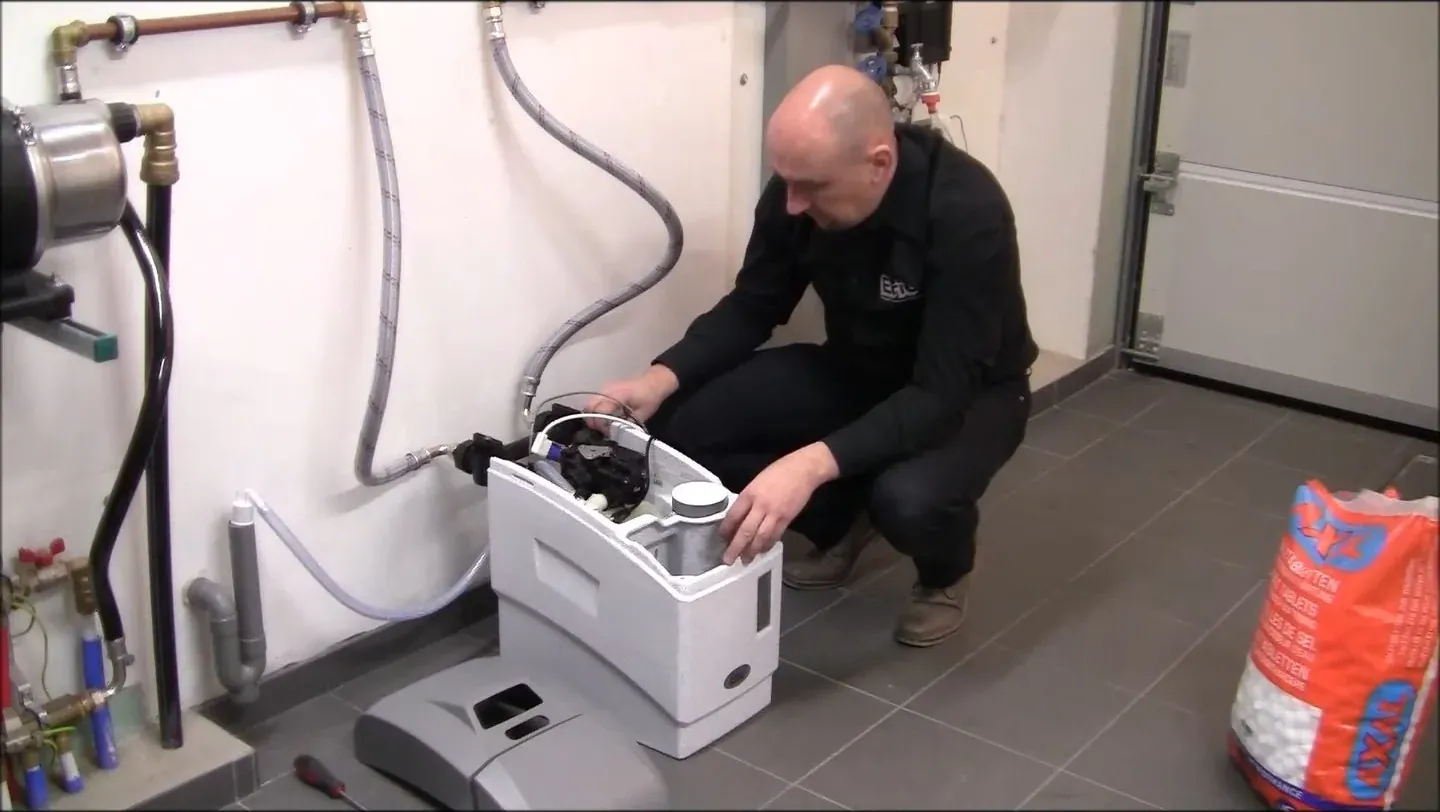
If a softener or filter still makes sense, a plumber can size it, install it and connect it to a drain and a power source.
- Licensed and insured plumbers
- Same-day service when available
- 24/7 emergency dispatch
The hardness number comes first
Hardness is the amount of dissolved calcium and magnesium in water. It is measured in milligrams per liter or in grains per gallon. A softener only helps if the number is high.
| Hardness | How the water behaves | Typical response |
|---|---|---|
| Soft, under about 60 mg/L | Little scale, soap lathers freely | No softener needed |
| Moderate, about 61 to 120 mg/L | Some spotting, light scale | Optional; consider a filter or a descale routine |
| Hard, about 121 to 180 mg/L | Visible scale, dull laundry | Softener makes sense |
| Very hard, over 180 mg/L | Heavy scale, shortened appliance life | Softener, sized to the flow |
Those bands are general guidance, not a Boulder rule. Use them to read your own utility report and decide whether the cost of a softener, salt and maintenance is worth it.
Softener installation: what the plumber connects
A softener sits on the main water line, usually near the heater. It needs a bypass so the house can run without it, a drain for regeneration, a spot for salt and an outlet for its controls.
- Choose a spot near the main, with room for the brine tank and access for salt.
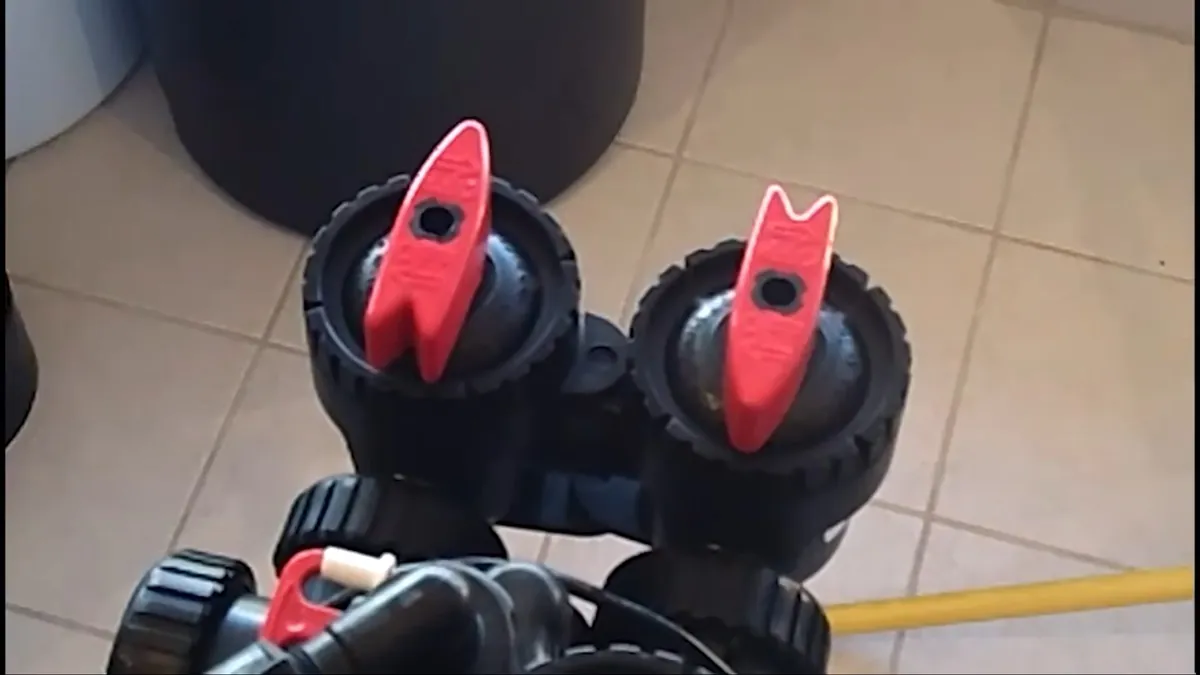
- Install bypass valves so the unit can be isolated for service.
- Connect the inlet and outlet to the water line with proper unions.
- Run the drain line to a standpipe or floor drain with an air gap.
- Program the regeneration cycle and test the water.
If an outdoor spigot is fed from the same line, the plumber can leave that on a bypass so lawns do not get softened water.
Softener or filter question? Call
Describe what you see at the tap, and a plumber serving your area can advise.
☎ Call (303) 567-7524Filters for taste, sediment and specific concerns
A filter solves a different problem than a softener. Sediment filters catch particles, carbon filters reduce chlorine taste and odor, and specialty filters target specific contaminants. The right one depends on what the water test shows.
- Whole-house sediment filter: protects fixtures from grit
- Carbon filter: reduces chlorine taste and odor
- Under-sink filter: treats drinking water at one tap
- Refrigerator filter: replaced on a schedule
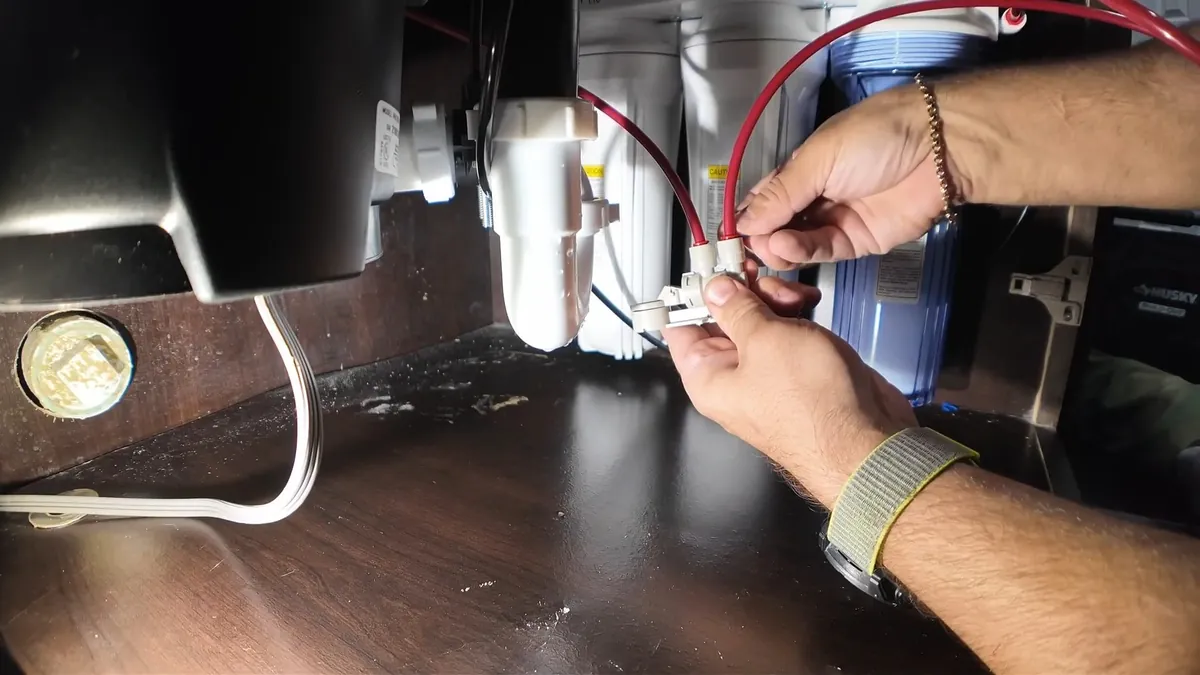
- Reverse osmosis: a membrane system under the sink for drinking water
- Specialty media: for a confirmed contaminant
Filters need regular cartridge changes. A cartridge left in place too long loses effect and can restrict flow. Mark the date on the housing and keep a spare.
Servicing a softener that has stopped working
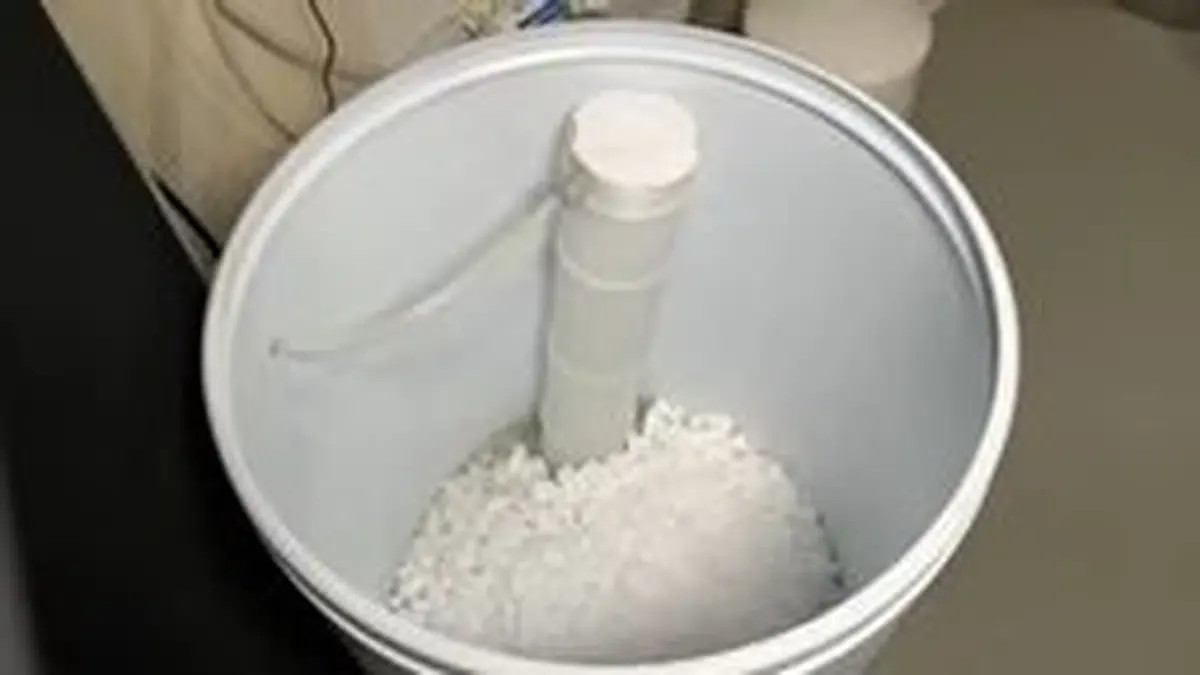
Softeners fail quietly. Water starts leaving spots again, or the salt level never changes. The plumber checks the brine tank, the valve and the drain.
- Salt level not dropping: bridge or a stuck valve
- Water still hard: resin exhausted, wrong setting or a bypass left open
- Water running to the drain constantly: valve fault
- Overflow from the brine tank: clogged drain or a failed float
- Error on the control head: reset, then service
If the unit is old and the resin has worn out, a plumber may recommend replacement. A unit sized for the household and set to match the actual hardness uses less salt.
Softener overflowing or not working? Call
A plumber can shut it down, find the fault and repair or replace it.
☎ Call (303) 567-7524Softener and filter questions
Do I need a water softener in Boulder?
Not necessarily. City water in Boulder averages 42 mg/L on the hardness scale, a level the city calls soft, so many homes on city water do not need a softener. Spots on glass and scale on a kettle can have other causes, such as a well, a different utility or a recirculating water heater. Check your utility's report before buying equipment.
How do I test for hard water at home?
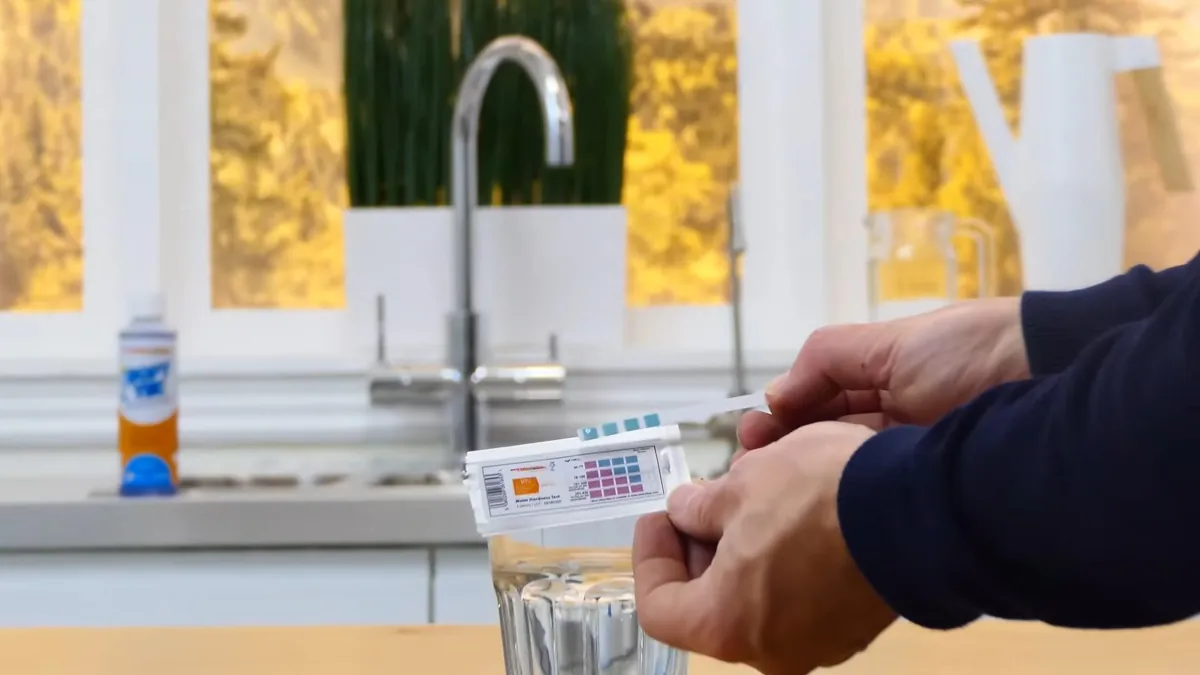
Start with the utility's published hardness figure for your address. For a quick check, a test strip from a hardware store reads hardness in a minute, and a certified lab test gives a precise number. Signs such as white crust on faucets and soap that will not lather are clues, though they are not proof.
What is the difference between a softener and a filter?
A softener swaps hardness minerals for sodium or potassium using salt, so scale does not build up. A filter removes particles, chlorine taste or specific contaminants, depending on the media. One does not replace the other. A plumber can say which problem you have before recommending either.
My softener overflowed in the utility room. What now?
Shut off the water to the unit, unplug it and mop up the brine. A stuck valve, a clogged drain line or a failed float is the usual cause. A plumber checks the brine tank, the drain connection and the valve, then repairs or replaces the part.
Does a softener need a drain and a permit?
A softener needs a drain for its backwash, an air gap so wastewater cannot siphon back, and a power outlet. Some jurisdictions have local rules on softener discharge, so ask your plumber about the building office that covers your address.
Other jobs near a softener
The unit connects to the same lines a new heater uses, and scale on a heater can lead to service calls. A softener drain that backs up belongs with drain clearing, and a leak at the unit's connections is a leak search.
Hard water or a softener problem? Call a plumber
Say what you notice and a plumber serving your area can check the number and the equipment.
☎ Call (303) 567-7524- Licensed and insured plumbers
- Same-day service when available
- 24/7 emergency dispatch