
Drain Cleaning in Boulder for Clogs That Keep Coming Back
The tub drains a little slower each week. Then the toilet gurgles when the washing machine empties, and a plunger buys you three days before the water stands again. Each step is a warning that the clog is growing.
Drain cleaning opens the pipe, and a camera look tells you whether the problem is buildup you can prevent or a damaged pipe that keeps catching debris.
- Licensed and insured plumbers
- Same-day service when available
- 24/7 emergency dispatch
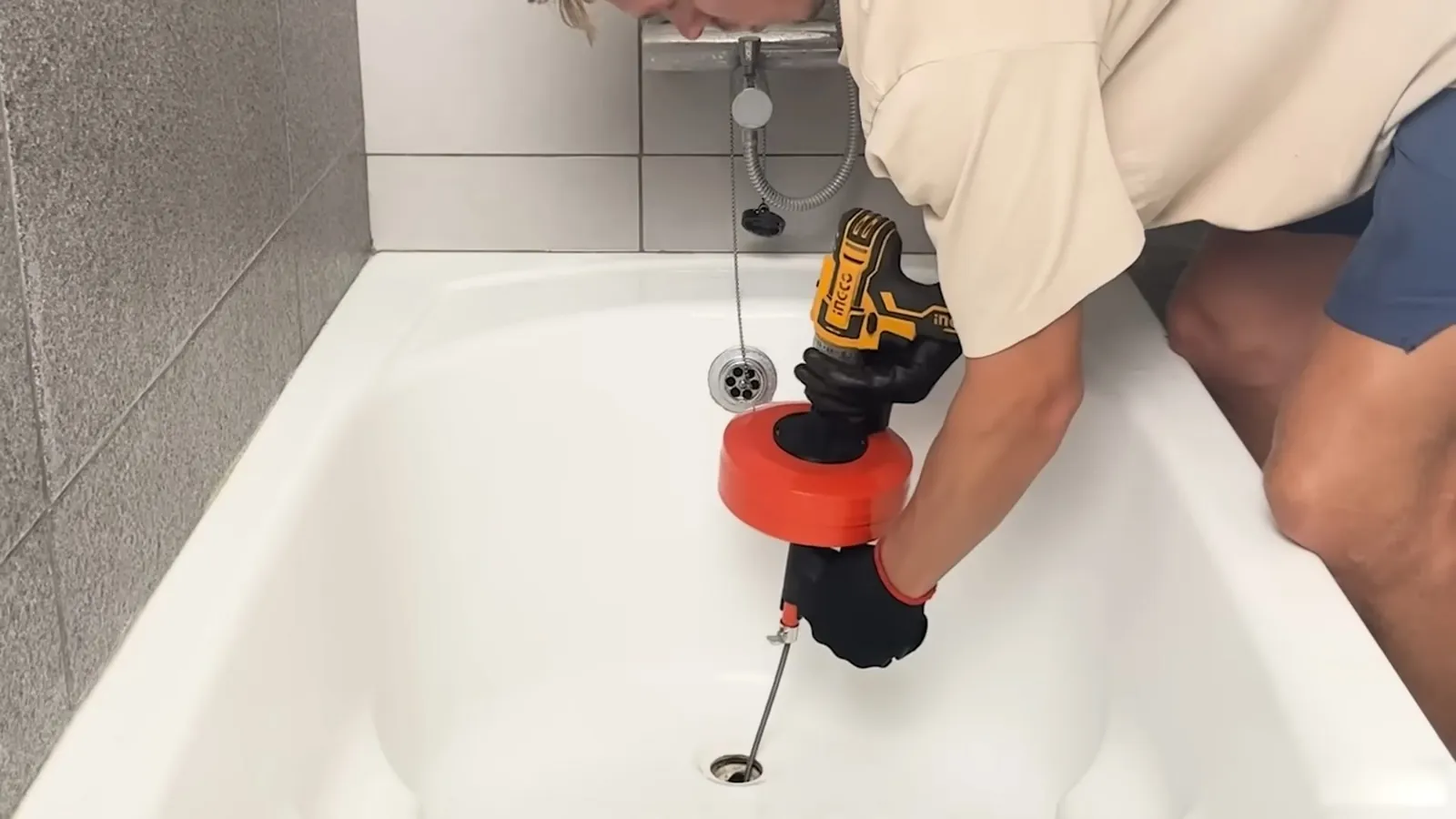
Snaking and augering a single stubborn drain
A cable, also called a snake or auger, is the first tool for a plug in one fixture's drain. The plumber feeds the cable through the trap, spins the head through the clog and pulls it back to clear the line. It works well for hair, a washed-in sponge, or a child's toy lodged past the trap.
Rooter-style service uses a cutting head that can shave small roots from a joint, and a larger machine reaches deeper into branch lines. Before the cable goes in, tell the plumber which fixtures react: a single sink is a local clog, but a tub that bubbles when the toilet flushes is a shared branch.
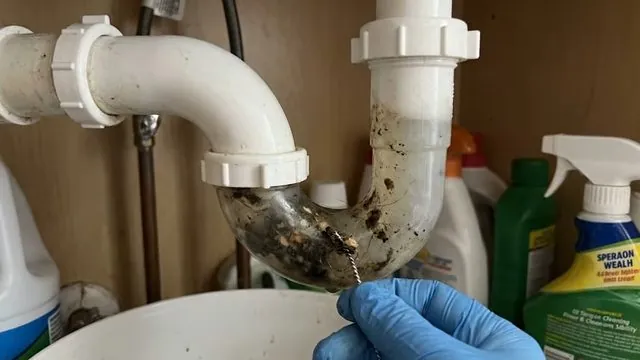
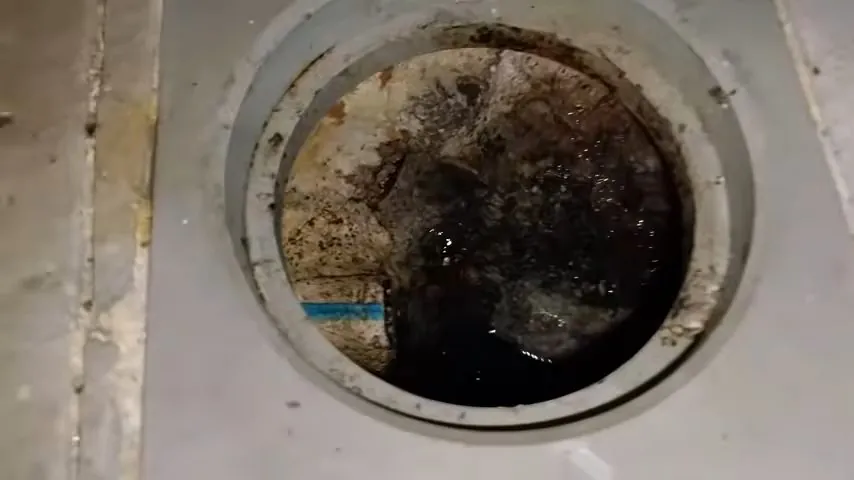
Sump pumps and groundwater: what Boulder allows
Boulder basements that take on groundwater often rely on a sump pump, and where the pump sends its water is a plumbing and legal question. The city's guidance is specific, so check before connecting any discharge line.
In practice that means the discharge pipe should end in a yard with enough room and slope, not in a basement floor drain or a street gutter. A pump that runs constantly after rain, hums without moving water or has a float stuck against the pit wall is a plumbing job. If the water in the pit comes from a broken pipe and not from the soil, the hidden leak tracing covers how to tell.
Slow drains: what a cleaning actually involves
A slow drain is a clog in progress. The plumber starts with the symptom pattern, then picks the tool, and finishes by running water to prove the line is clear. A bathtub or shower that holds water is usually hair and soap coating the trap and the first few feet of pipe. A sink that drains in a lazy swirl may be fighting scale or grease on the wall.
- Which fixture is slow, and for how long
- Whether other drains gurgle, smell or bubble when it empties
- What was recently put down it: grease, coffee grounds, wipes or fibrous food
- Whether a plunger or a store-bought cleaner was used and when
The tools should match the pipe, and a cleanout access point near the fixture or in the basement makes the job quicker.
Drain backing up again? Call the dispatch line
Say which fixtures are involved and whether water has stopped rising, and a plumber serving your area can pick the tool.
☎ Call (303) 567-7524Hydro jetting or snaking: which one your pipe needs
Both methods have a place. The right choice depends on what is blocking the pipe and what the pipe is made of. The table shows the common cases.
| What is blocking it | Method | Strength | Limit |
|---|---|---|---|
| Hair, a toy or a localized plug | Cable or auger | Fast, gentle, cuts a path through the clog | Leaves coating on the pipe wall |
| Grease, soap or scale coating the wall | Hydro jetting | Scours the full pipe diameter | Needs sound pipe that can take the pressure |
| Fine roots inside a joint | Cutting head, then jetting | Clears the joint of growth | Roots return if the joint stays open |
| Repeated clog in one spot | Camera inspection after clearing | Shows sags, cracks and offsets | Adds time to the visit |
Hydro jetting pumps high-pressure water through a hose and a nozzle that cleans in a circle as it travels. It is the better match for grease and scale. A plumber will avoid it on pipe that is cracked, sagging or very old, and will say so rather than risk an opening in the line.
When the clog is in the main line
If every drain in the house backs up at once, or the lowest fixture in the house, usually a basement floor drain or a ground-floor tub, is the first to rise, the blockage sits past the branches in the main drain. Clearing a main line takes a larger machine and sometimes access from the cleanout outside the house.
Roots and offset joints are the usual repeat offenders, and drain odors that return after cleaning point to a trap dry-out, a vent problem or a partial blockage downstream. When the main line is damaged or the blockage lies under the street connection, the sewer line repair page explains the ownership question and the repair options. Restaurants and apartment buildings with heavy kitchen grease have their own considerations under commercial plumbing.
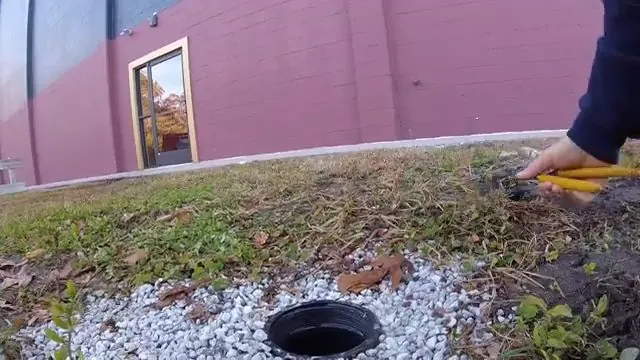
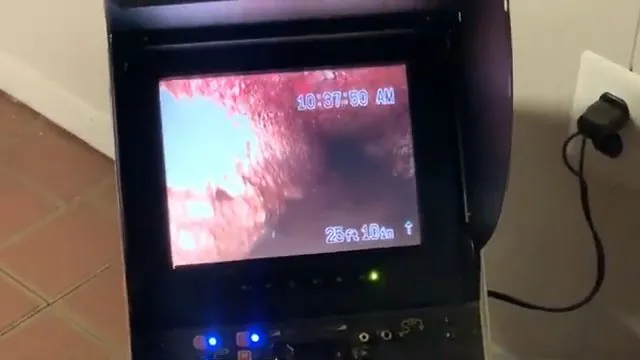
Cast iron and old drain pipe that keeps catching debris
An old cast iron or clay drain develops rough interior walls, and a rough wall catches lint, grease and paper. Cleaning clears the pipe, but the same rough spots collect more. A camera pass after cleaning shows whether the pipe has sagged, cracked or lost its lining.
Drain pipe repair is a separate decision from cleaning. If the camera shows a cracked or offset section, the choice is usually to replace that section or line it, not to keep clearing the same blockage every season. Ask the plumber to mark the damaged section on the floor plan so you can see exactly how much pipe is in question.
Kitchen sinks, floor drains and the grease habit
Kitchen drains clog from what goes down them. Grease cools and sticks, coffee grounds pack together, and fibrous vegetable skins wrap around anything already caught. A kitchen line that clogs every month or two is almost always a habit problem on top of a pipe problem.
Practical changes help more than any cleaner: scrape pans into the trash, wipe grease before washing, run hot water for a minute after a heavy dish load and keep wipes out of the toilet. A basement floor drain that smells or backs up usually has a dry trap, which pouring water into the drain will refill, or debris from the floor above.
Need the line cleared and the cause found?
Call, tell the dispatcher what the drains are doing and they will arrange a plumber for your address.
☎ Call (303) 567-7524Drain questions with straight answers
Does a camera inspection belong in every drain cleaning?
No, but it earns its place after a second clog in the same line. Clear the drain, then run a camera through it: you may find a sagging section, a joint knocked loose by roots or a rough patch where grease builds. Seeing the pipe turns a repeat clog from a mystery into a repair decision. Ask for a copy of the video so you can show it to anyone who quotes repair work later.
A toilet and the tub both gurgle. Is that a hydro jetting job?
Two fixtures that react to each other are a signal that the shared branch or the main line is partly blocked, not just one trap. Snaking may open a channel, but if the blockage is a coating of grease, scale or soap, jetting scours the pipe wall and clears the line more completely. The plumber decides after seeing what comes back on the cable and, when needed, what the camera shows.
My kitchen sink needs snaking again after a few weeks. Should I switch methods?
Snaking again is quick and clears a hole in the clog, but the pipe walls stay coated and the opening closes as fresh grease collects. Jetting with high-pressure water strips that coating and restores the full pipe diameter, which holds up longer when kitchen grease is the cause. If the line has sagged or is cracked, neither option is a cure and the pipe section needs repair.
How do I tell whether hydro jetting or snaking is better?
Match the tool to the blockage. A cable cuts through a localized plug such as a hair clump or a toy in a trap. Jetting is for buildup spread along the pipe wall, including grease, scale and fine roots inside a joint. Jetting also demands pipe strong enough to take the pressure, so a plumber checks the pipe material first and may skip jetting on fragile old lines.
Is hydro jetting really better than snaking in Colorado homes?
Colorado utilities, such as Broomfield's, tell residents plainly that grease and wipes cause blockages and sewer backups, and those two culprits coat a pipe in layers that a cable cannot remove. That is the situation where jetting wins. For a single stuck item, a cable is faster and gentler. Pick by what is blocking the drain, not by which tool sounds more powerful.
Pages that pick up where a clog ends
A clog that arrives with a wet ceiling or stained wall may be a leak, which the leak detection page covers. Sinks with a disposal that jams or hums have their own page for garbage disposal repair, and a toilet that will not stop running belongs with toilet and faucet repair.
Drain stopped or sewage rising? Call now
Shut off water to the affected fixtures and call. A plumber serving your area can take it from there.
☎ Call (303) 567-7524- Licensed and insured plumbers
- Same-day service when available
- 24/7 emergency dispatch