
Plumbing Questions Boulder County Homeowners Ask First
Short answers first, then the reasoning. The questions below come up most when a homeowner picks up the phone, from whether a leak can wait until morning to who owns the pipe in the street. Questions about price have their own page: see the plumbing cost guide.
- Licensed and insured plumbers
- Same-day service when available
- 24/7 emergency dispatch
Urgent questions: what to do right now
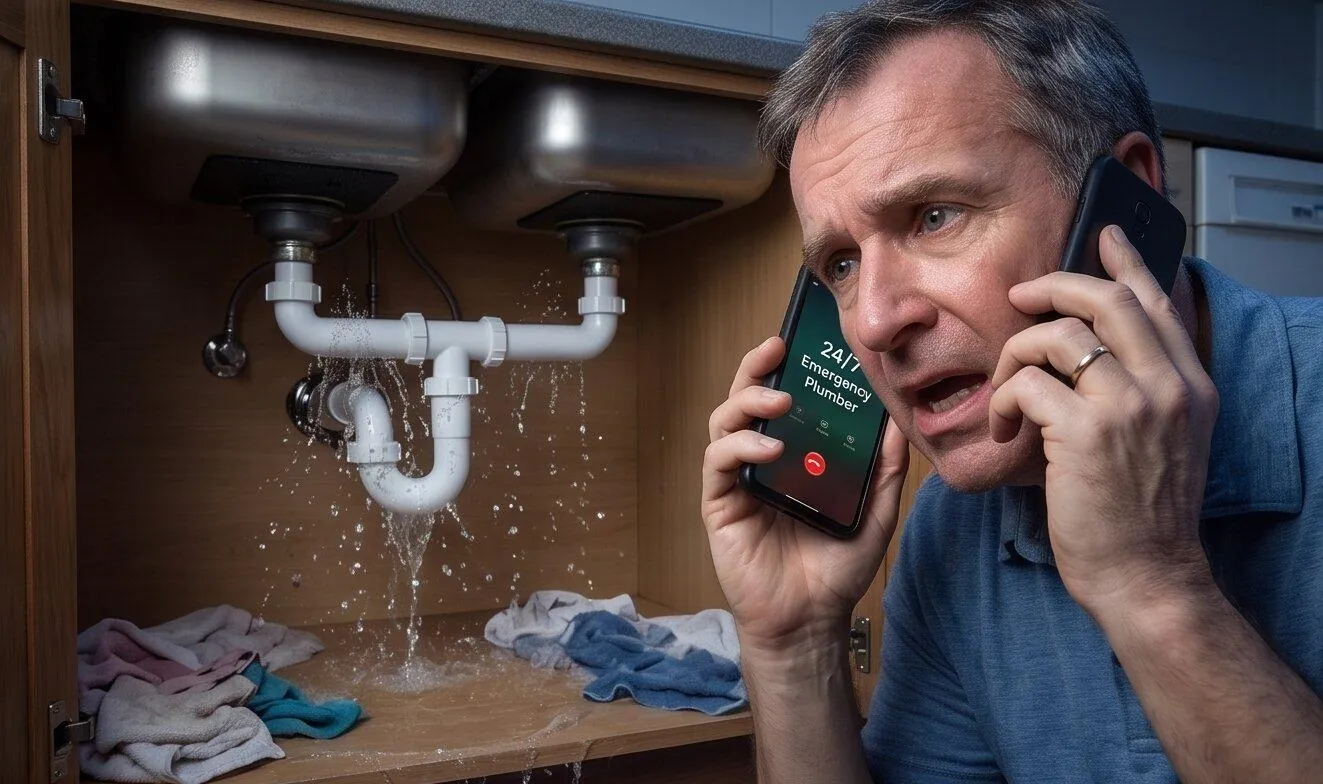
What happens when I call the dispatch line in the middle of the night?
The line is answered around the clock, so a person picks up at any hour. The dispatcher asks for your street address, what is happening and whether the water has been stopped, then reaches a plumber serving your area. Same-day service is offered when available, and no arrival time is promised. In places on the outer edge of the network, the dispatcher confirms availability by phone before anything is scheduled.
Can a leak wait until morning, or do I need someone tonight?
Call tonight if water is still moving, if sewage is coming up into living space, or if a heater or gas appliance is acting up. A gas smell means walking outside first and calling 911 or the gas utility. A drip you have isolated by closing a valve, a single slow drain or a running toilet can usually wait for daylight, as long as nothing is spreading while you sleep. When you are unsure, describe it to the dispatcher and decide together.
What are the most common mistakes people make with their plumbing?
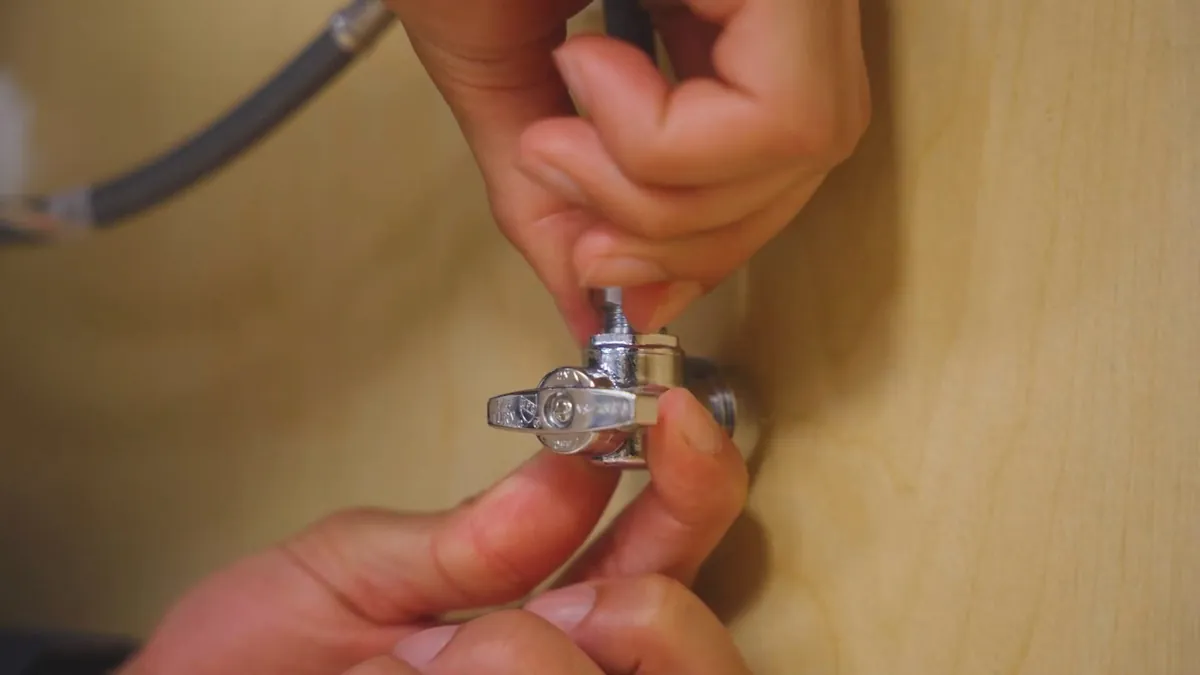
Ignoring a small leak and reaching for chemical drain openers do the most harm. A stain that is dry today can be a rotted subfloor in a month, and a drain opener that fails to clear a clog leaves caustic liquid sitting in the pipe for whoever works on it next. Others are forcing a stuck shutoff valve, wrapping tape around a leak and forgetting it, and flushing wipes or pouring grease down a sink. Learn where your main shutoff is before you need it.
Before the plumber arrives
What should I have ready before I call a plumber?
Have the street address with a cross street, a description of where the water is and whether it has stopped, and the location of your main shutoff valve. A few photos taken before cleanup help the plumber plan the visit, and your insurer will usually want them too. If you rent, mention that on the call, and keep the property manager's number nearby.
How can I tell a leak from a clog or a pressure problem?
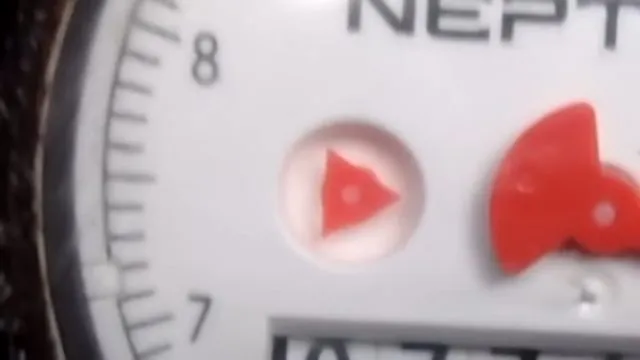
Picture a bathroom sink that empties slowly while the shower runs fine: that is a clog in the sink's own branch. If every fixture runs weak at once and the water meter keeps moving with everything off, a leak is more likely. If only hot water is weak at several taps, the heater is the first suspect, and low flow at a single faucet often means a clogged aerator. Checking the meter with all fixtures closed is the one test that separates a leak from the rest.
I rent my home. Who should call the plumber?
Tell the landlord or property manager first, because the owner typically decides who works on the building. If water is actively damaging the unit, close the nearest valve, photograph the damage and call the number your lease lists for emergencies. A property manager can also call the dispatch line on the tenant's behalf. Rights and repair duties depend on your lease and on Colorado law, so treat this as a practical outline and not legal advice.
Responsibility at a glance
The table sums up the most common ownership splits. It is a starting point for the question to ask, and your lease, deed or utility has the final word.
| Pipe or fixture | Usually owned by | Where to confirm |
|---|---|---|
| Pipes and fixtures inside the house | Homeowner, or the landlord for a rental | Deed, lease or association documents |
| Sewer service line in the City of Boulder | Property owner, from the house to the junction with the city main | City of Boulder sewer program page |
| Water or sewer main in the street | The water or sewer utility | Your utility's customer line |
| Shared lines in a condo or townhome | The association | Governing documents |
Who owns the pipe, and who checks the work
Who is responsible for which pipe: the homeowner, the utility or the HOA?
In most cases the homeowner owns the plumbing inside the house and the service lines on the property, and the utility owns the main in the street. Inside the City of Boulder, the owner of the property holds the sewer service line all the way to where it joins the city's main. Water service lines follow your own utility's rules, and in a condo or HOA community the governing documents say who owns shared lines. Ask the plumber to confirm which side of the line the problem is on before work begins. Source: City of Boulder, sewer rehabilitation page.
Who checks plumbing work for code compliance in Boulder County?
The building office that issues the permit checks the work by inspection, and the state licenses the plumbers. Colorado's licensing agency issued a memo in December 2025 stating that a water heater swap calls for a licensed plumber, a permit and a passed inspection. Boulder County handles permits for unincorporated addresses, while each city or town runs its own building office, and each area page here names the office for that place. Find out who files the permit and which day the inspector comes out. Source: Colorado DORA memo, Dec. 3, 2025 and Boulder County building permits.
Local conditions that change the repair
Can pipes freeze in the Boulder foothills?
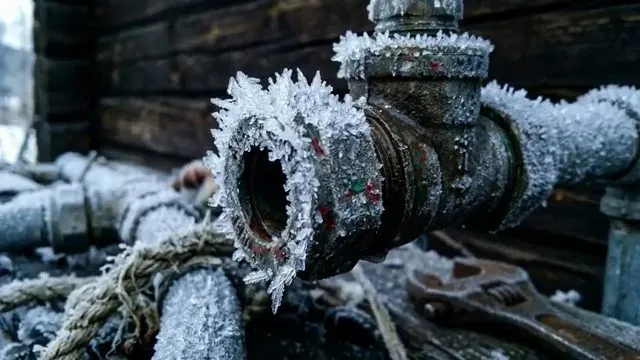
Yes, and the mountain towns say so plainly. A Nederland utilities alert pointed to readings near -20°F, and Boulder's winter advice notes that ice takes up more room than water and can split a line. The pipes most at risk run through crawl spaces, garages and exterior walls, and one that froze before often freezes again at the same spot. When a frozen pipe is out of sight, close the main valve and phone for help. Source: Town of Nederland cold alert and City of Boulder winter guidance.
What should I do to get my plumbing ready for winter?
Start in autumn with four jobs. Locate the main shutoff and turn it once so you know it works. Disconnect garden hoses and close the indoor valve that feeds outdoor spigots. Insulate exposed pipes in crawl spaces, garages and exterior walls. Learn where the water meter sits and how to cover it against the cold. Those four steps follow the winter guidance Boulder publishes, and they take an afternoon and can head off a split pipe in January. Source: City of Boulder winter guidance.
Does the soil around Boulder affect underground pipes?
It can. A state geological report maps swelling soil and bedrock across the Boulder, Fort Collins and Greeley area, and ground that swells when wet and shrinks when dry can stress foundations and the lines beneath them. Watch for new cracks, doors that stick after a wet spell, or a floor that feels different. Check the meter before assuming a leak, and treat structural movement as a question for a structural professional rather than a plumber. Source: Colorado Geological Survey, Environmental Geology 7.
How do I know whether my home uses city sewer or its own onsite system?
Look at your bills first: a regular sewer charge from a city or town means you are on a public line. Say a Jamestown homeowner has a slow drain, no sewer bill and a buried lid somewhere in the yard. That house probably runs on its own onsite wastewater system. The county health department keeps online records of approved systems, repairs need permits, and its maintenance page recommends pumping on a three-to-five-year cycle with a full inspection at least once a decade. Source: Boulder County, onsite system maintenance.
Your question is not on the list?
Call and ask. The dispatcher can answer most questions about what to do first, and a plumber serving your area handles the rest.
☎ Call (303) 567-7524Ask before you guess
A two-minute call beats a wet floor, and the line is open around the clock.
☎ Call (303) 567-7524- Licensed and insured plumbers
- Same-day service when available
- 24/7 emergency dispatch