
Water Heater Installation in Boulder: Fuel, Size and Paperwork
A water heater rarely gives notice. The tank is ten or fifteen years old, the base starts to rust and one morning the floor is wet. Replacement is easier when the choices are already clear.
This page walks through the decisions in order: what the old unit tells you, which fuel to choose, what size to buy and what the permit involves. A plumber does the swap and the connections.
- Licensed and insured plumbers
- Same-day service when available
- 24/7 emergency dispatch
Replace now or limp along: what the old tank is telling you
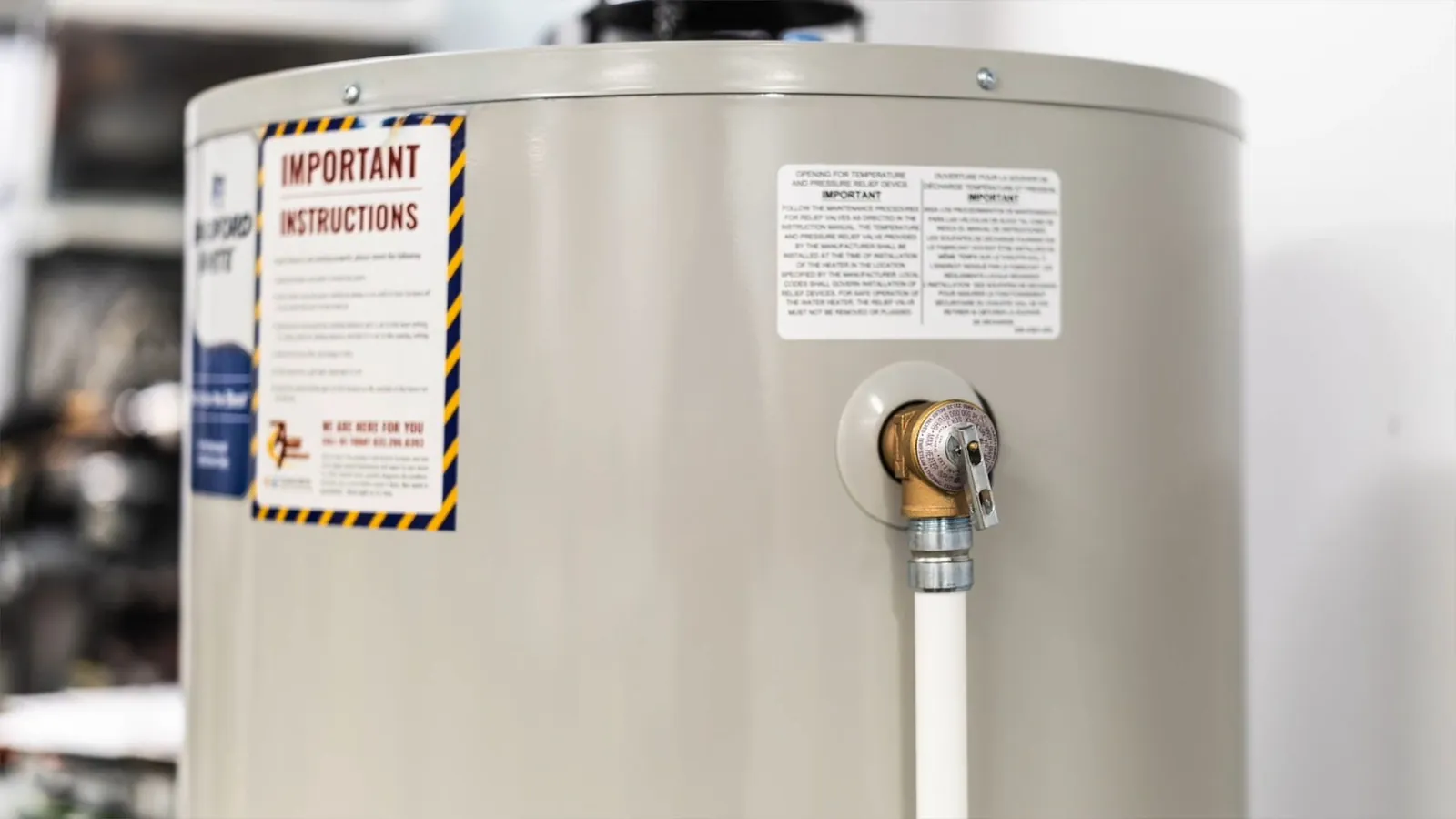
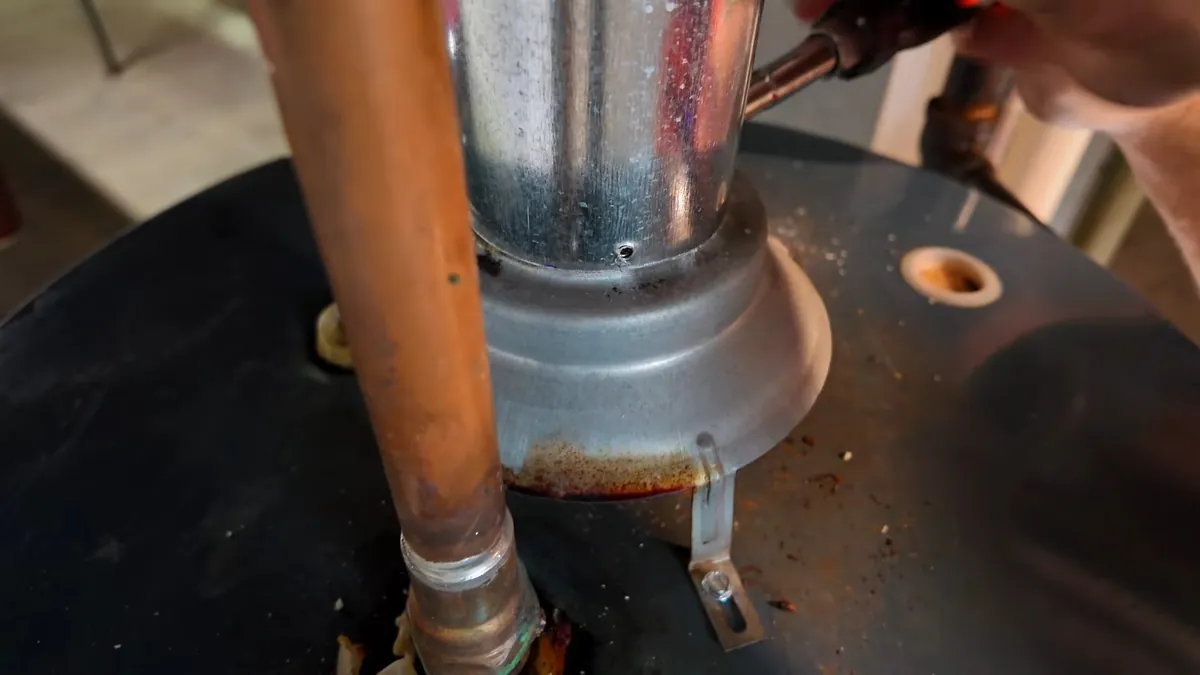
The label on the old heater has a serial number that encodes the build date, and the plate lists the capacity and fuel. Those two facts decide most of the conversation with the plumber. A tank approaching its second decade with rust at the base is a replacement candidate even if it still makes hot water.
- Water pooling under the tank, not at a fitting: replace the tank
- Rust-colored hot water only: the lining may be failing, so have it checked
- Rumbling, popping or lukewarm water on a mid-life tank: flush and test first
- A heater that has already been repaired twice in two years: price a replacement
- A heater too small for the household: replace with a larger unit instead of repairing
If the heater is still working, replacing it on your schedule beats replacing it on the tank's schedule. A planned job leaves time to compare fuels, apply for a rebate and let the plumber order the right model. If it is leaking right now, the repair page covers the first steps, and a plumber can quote a replacement during the same call, as the first steps for a leaking tank explains.
Choosing a fuel and a type
The fuel sets everything downstream, so settle it first. Look at what the old heater runs on and at what hookups already exist in the utility space. A like-for-like swap is the quickest path. A change of fuel adds electrical or gas work and a longer permit.
| Type | What it needs | Main upside | What to weigh |
|---|---|---|---|
| Gas tank | Gas line, vent and combustion air | Lowest running cost where gas is available | Venting must be sound; gas smell rules apply |
| Electric tank | A 240-volt circuit and a clear spot | Simple swap, higher running cost than gas | Panel capacity can limit the choice |
| Heat pump (hybrid) | Space, a condensate drain and air flow | Uses a fraction of the electricity of a resistance tank | Cools the room it sits in; local rebate path |
| Tankless | A bigger gas line or a heavy electric feed | Endless hot water, no standing tank | Covered on its own page |
Hybrid and heat pump units suit homeowners who want lower electric bills and have the room. The Boulder area has a rebate trail for those, described below. Whatever you pick, ask the plumber to write down the model, the capacity and the warranty term so the job can be compared line by line against any second quote.
Tank finished? Call for a replacement visit
State the fuel, the tank size on the label and where it sits, and a plumber serving your area can bring the right unit.
☎ Call (303) 567-7524Sizing the new tank without guessing
Capacity is quoted in gallons, and people overbuy by squinting at the biggest number on the shelf. A cleaner method is to count how hot water is used at the busiest hour of the day. One long shower, a dishwasher and a laundry load at the same time can drain a small tank before the third person gets in.
- Count the people who use hot water between 6 and 9 in the morning.
- Note the big draws: a soaking tub, a rain shower head, a second dishwasher.
- Read the capacity and the first-hour rating on the old label.
- Tell the plumber whether the old tank ever ran out and when.
- Check that the new unit fits the closet, including the clearance above and in front.
A tank that is slightly larger than the old one often fits the same hookups, but not always. Height is the usual surprise, so measure to the ceiling or to the nearest pipe run. The plumber can also check whether the older relief valve and its drain line meet current practice before connecting the new tank.
Expansion tanks, valves and the connections that get replaced
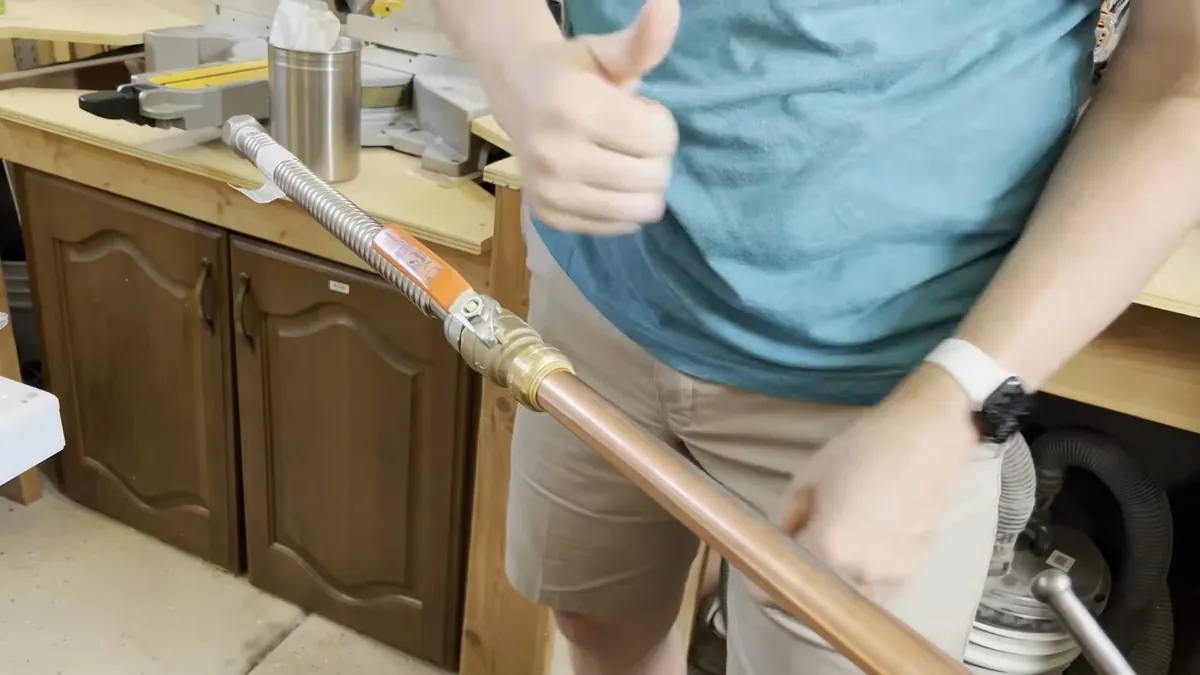
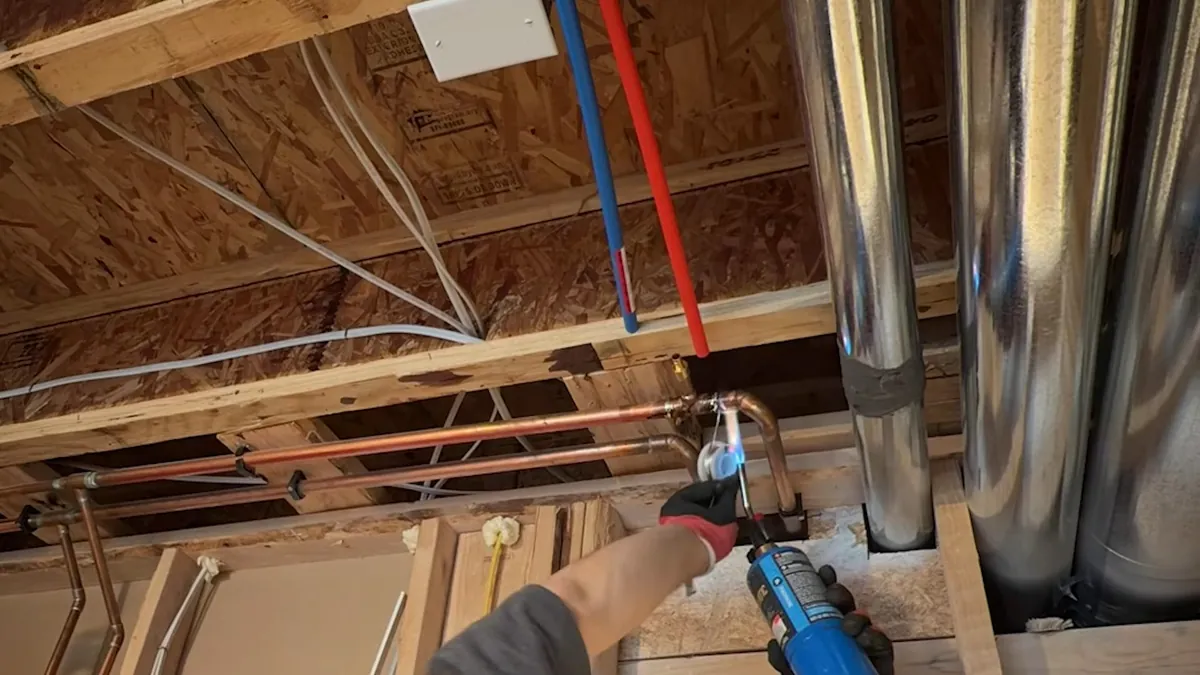
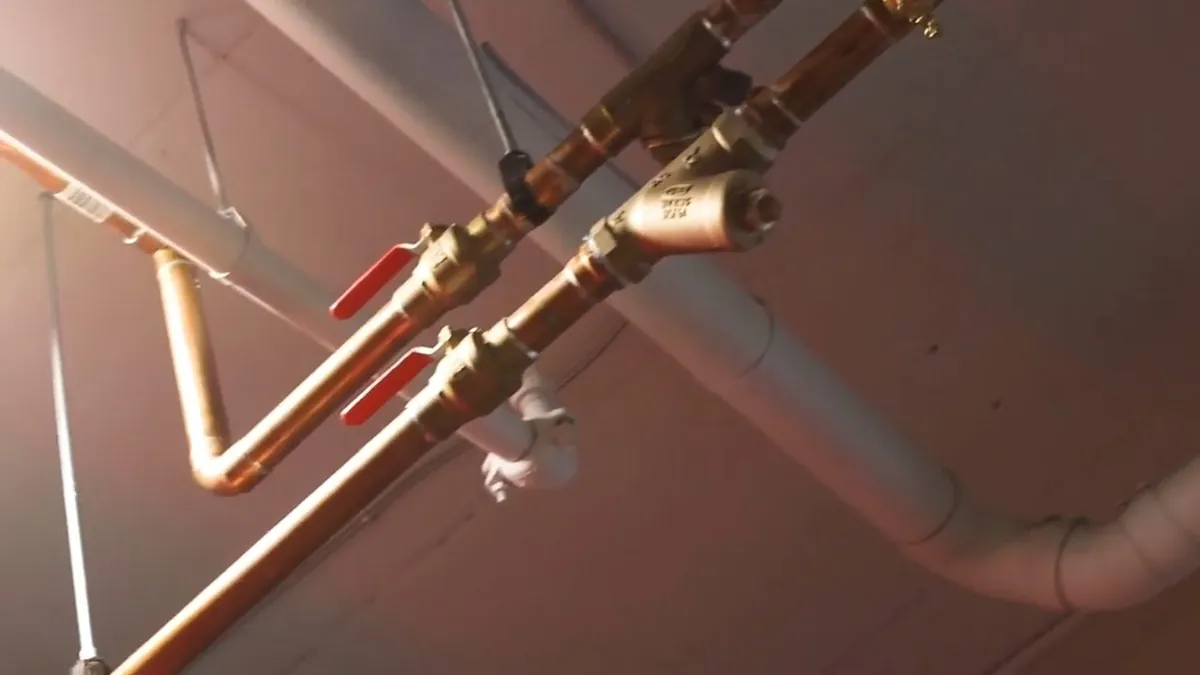
A new heater is more than the tank. Flexible connectors, shutoff valves, the temperature and pressure relief valve and the drain line are all replaced or tested so the new unit does not inherit the old unit's weak points. A plumber also looks at whether the home's supply has a check valve or a pressure regulator.
- Shutoff valve on the cold supply: replace it if it is stiff or corroded
- Flexible connectors and dielectric fittings: replace, do not reuse
- Relief valve and discharge pipe: install to the manufacturer's method and the local code
- Thermal expansion: the plumber checks whether the system needs a small expansion tank
- Drain pan and drain line where the heater sits above finished space
Thermal expansion matters because a closed system has nowhere for heated water to go. The plumber reads the pressure at the hose bib, looks for a check valve at the meter, and adds an expansion tank when the system needs one.
Permit, inspection and where the paperwork goes
The permit is part of the job, not an add-on. A plumber who handles the paperwork schedules the inspection after the tank is connected and tested. Ask who pulls the permit and whether the quote includes it.
Keep the permit number and the final inspection record with the heater's manual. They help at resale and with warranty claims, since the manufacturer may ask who installed the tank.
Planning a swap or racing a leak? Call
Describe the old heater and the space it sits in, and the dispatcher can line up a plumber for your address.
☎ Call (303) 567-7524Replacement questions from Boulder homeowners
Do I need a plumber to install a water heater, or can I swap it myself?
Colorado regulators say the work takes licensed plumbing labor, a building permit and a final inspection by the local authority. A homeowner who lifts a new tank into place still has to connect gas or 240-volt power, the water lines, a relief valve with a drain, and venting for a gas model. A plumber handles those connections, the permit and the inspection visit together.
What size water heater does a Boulder household need?
Size follows the people and the fixtures, not the square footage. A couple who showers at different times can run a modest tank, while a family with teenagers, a soaking tub and a dishwasher running at once needs a larger tank or a heater with a high first-hour rating. A plumber asks how many people shower in the morning and how many bathrooms run together, then reads the label on the old unit.
My tank flooded the utility room this morning. What do I do before the new one is installed?
Shut off the heater at the breaker or gas valve, close the cold supply valve and move belongings off the floor. Then call for a replacement visit and say what fuel the old tank used. You can pick the new model after the water is controlled, and a plumber can often replace a like-for-like tank in a single visit. Wet flooring is a separate matter for the drying page.
Gas, electric, hybrid or heat pump: which one fits?
A like-for-like gas or electric tank is the simplest swap. A heat pump water heater costs more up front but uses far less electricity, and it needs floor space, a drain for condensate and enough air around it. Switching from gas to electric may also mean a panel check. The fuel decision comes first because it sets the permit scope, the venting and the electrical work.
Can I get same-day replacement when the old heater dies?
Often, when the replacement is a standard tank that fits the existing hookups and the plumber has one on the truck or can pick one up. A fuel switch, a relocation or a heat pump usually takes longer because of electrical work and the permit. Call early in the day and describe the old heater's fuel, size and location so the right unit is staged.
Nearby choices once the new heater is in
Homeowners comparing continuous-flow models can read about tankless units. A heater that still works but misbehaves might need only the fixes in the repair guide, and a weeping supply fitting calls for a quick leak trace. If the flood damaged flooring, water damage drying is a separate job. A hybrid unit that changes how hard water behaves may also lead to softener and filter questions.
Old heater failing? Get a plumber on the line
State what the tank runs on and how old it is, and a plumber serving your area can plan the swap.
☎ Call (303) 567-7524- Licensed and insured plumbers
- Same-day service when available
- 24/7 emergency dispatch