
Pipe Repair and Repiping in Boulder When Winter Splits a Line
Pipes fail in two ways. Cold or age splits them suddenly, or corrosion and pinholes wear them out over years. The first is an emergency and the second is a decision about repair against repiping.
The answer starts with what the pipe is made of, where it runs and how many leaks have already shown up.
- Licensed and insured plumbers
- Same-day service when available
- 24/7 emergency dispatch
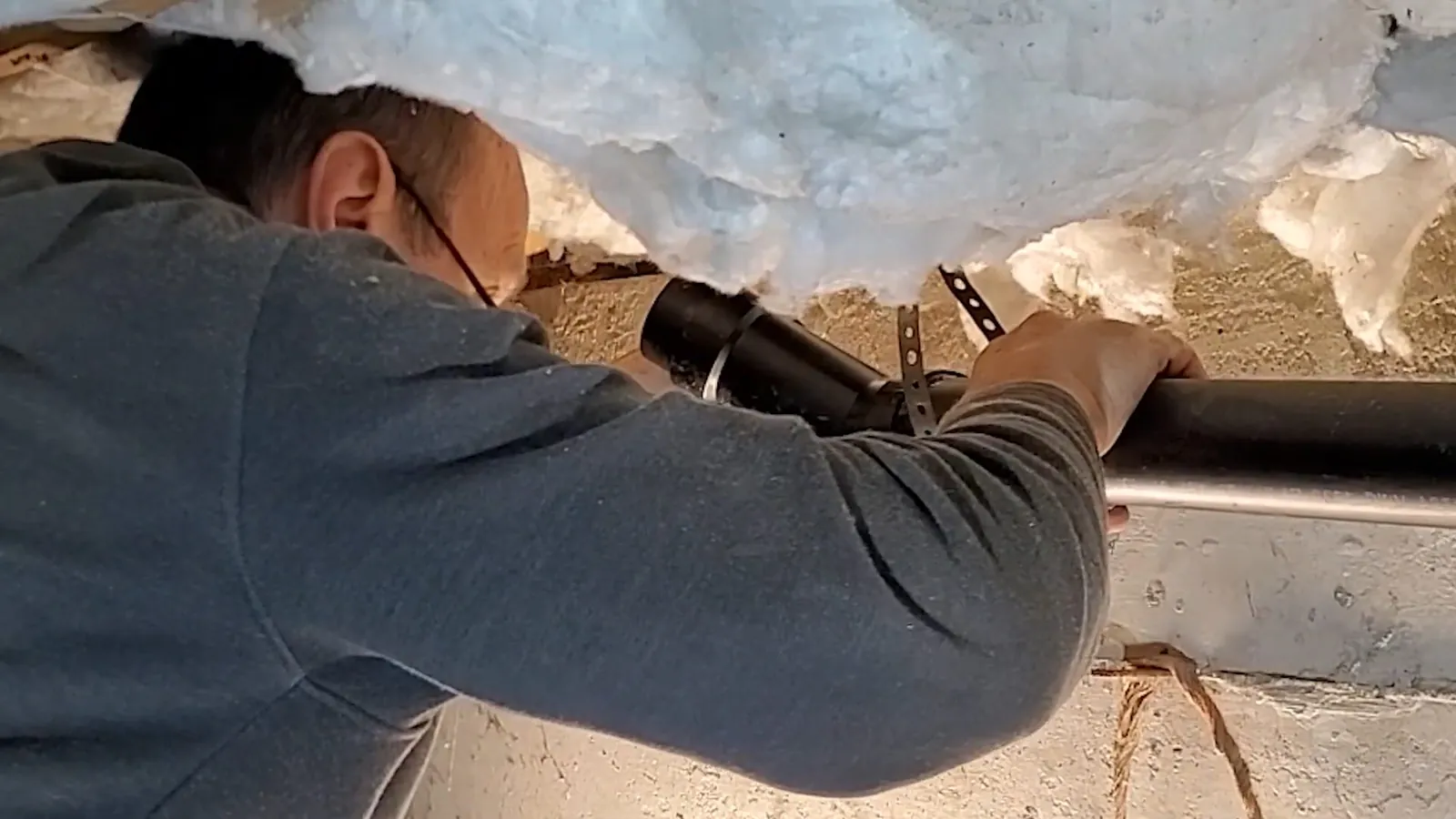
Frozen pipe: thaw, shut off or call?
A frozen pipe has not failed yet, but it is under pressure. Ice expands against the pipe wall, and the split often shows only after the ice melts and water starts to flow. The first move is the same either way: close the main valve so a thawing split cannot flood the house.
- Close the main water valve before doing anything else.
- Open the faucet nearest the frozen section so thawing water has an exit.
- Warm the pipe slowly with a hair dryer or warm towels, working toward the faucet.
- Never use a torch, open flame or heat gun on a pipe or near insulation.
- Check the pipe for bulges, cracks or frost lines once water starts to move.
If the pipe sits inside a wall or under a slab, or you cannot see the frozen section, stop and call. A plumber can locate it with thermal imaging and decide whether to thaw it, replace the damaged length or insulate against a repeat. Pipes that froze once tend to freeze again in the same spot.
A burst pipe in the house: the first ten minutes
When a pipe lets go, the problem is speed. A split supply line can release several gallons a minute, and the water finds ceilings, light fixtures and floors. Shut the water off first, then deal with the mess.
- Main valve closed, then the lowest faucet opened to drain the lines
- Power off to any wet room if the panel is dry and you can reach it safely
- Photos and video of the damage before anything is moved
- Standing water pushed toward a floor drain or soaked up with towels
- A call to the plumber, then to the insurer
A repair plumber cuts out the split section, fits a new length with proper fittings and pressure tests it. If the pipe is old and brittle, the plumber may tell you the neighboring lengths are about as old and as thin, which is the usual start of a repipe conversation.
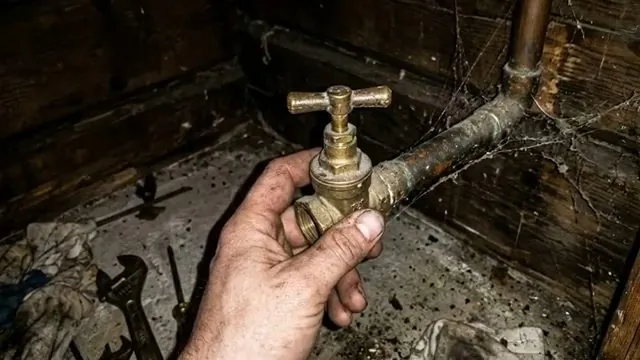
Pipe split or frozen? Call the dispatch line
Give the room, whether the water is shut off and what the pipe is made of, and a plumber serving your area can head your way.
☎ Call (303) 567-7524What the pipe is made of decides the repair
A plumber identifies the pipe before suggesting a fix, because each material fails differently. The table below lists what each looks like and what usually goes wrong. Older homes can hold two or three materials in the same house after a series of partial repairs.
| Material | How to recognize it | Typical failure | Usual response |
|---|---|---|---|
| Copper | Orange-brown, solid, a magnet does not stick | Pinholes, corrosion at joints, freeze splits | Repair in place; repipe if pinholes spread |
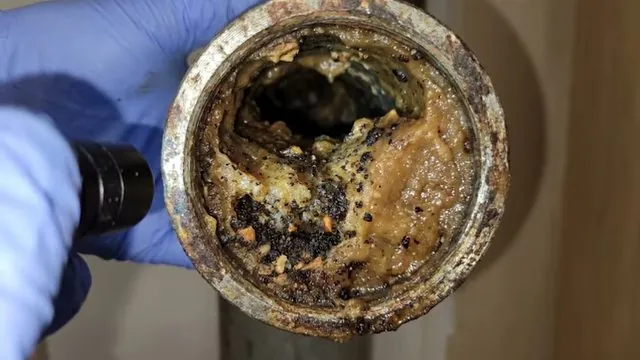
| Galvanized steel | Gray, threaded fittings, magnet sticks | Rust-colored water, low pressure, internal scale | Replace the run, since scale narrows it |
| Polybutylene | Gray or blue flexible plastic with crimp rings | Failures at fittings and bends | Replace in sections or all at once |
| Cast iron and PVC (drain side) | Heavy gray iron or white plastic drain pipe | Cracks, root intrusion and joint leaks | Repair the section; covered on the drain and sewer pages |
| CPVC | Cream or yellow rigid plastic | Cracks at fittings with age and heat | Repair; replace brittle sections |
| PEX | Flexible plastic, red, blue or white | Fitting leaks, sun damage on exposed runs | Repair or reroute; PEX pipe installation is the usual replacement |
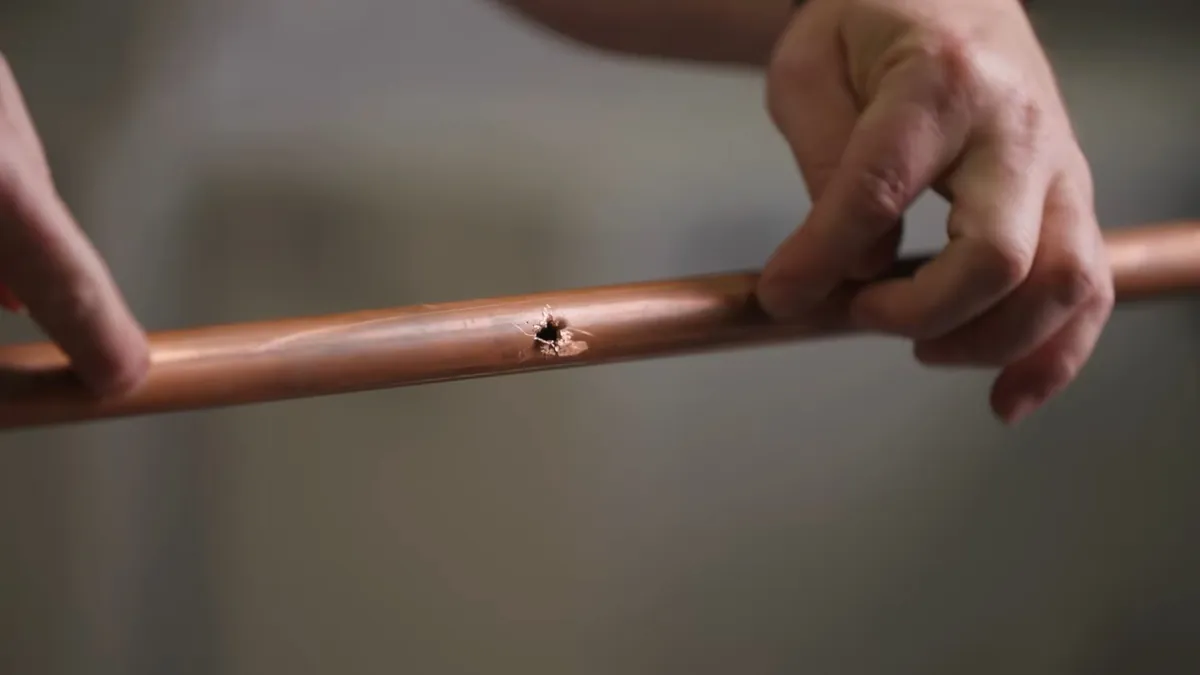
Pinhole leaks in copper deserve special attention. One pinhole can be soldered, but a second and third in the same run usually mean the pipe wall has thinned along its length. Patching each hole one at a time costs more over a few years than replacing the run once.
Whole-house repipe or a few repairs? Questions to settle
Repiping is a big job, so the quote should compare it against the cost of continuing to patch. Ask the plumber to number the leaks so far, list the pipe types and state which sections can be left alone.
- How many leaks have occurred, and where along the run
- What materials sit behind the walls, in the attic and under the slab
- Whether the work can be done in phases by branch or by floor
- Whether walls will be opened or the new lines run through the attic or crawl space
- Who pulls the permit and arranges the inspection
Rerouting the supply through walls and the attic is common where lines run under a slab. It avoids chipping concrete and leaves the old buried line abandoned. A related page, how slab leaks are found, covers how a leak under the floor is found before anyone decides to reroute.
Same pipe leaking again? Call
A plumber can map the lines, compare patching against replacement and put the numbers in writing.
☎ Call (303) 567-7524Pipe repair and repiping questions
A pipe just burst and water is running. What do I do first?
Shut the main valve, then open a faucet at the lowest level to drain the lines and turn off the water heater. Move belongings away from the wet area and photograph the damage for your insurer before cleaning up. Call a plumber to repair or replace the split section. Leave electrical panels and outlets alone if water has reached them.
How do I know if my house has galvanized pipes?
Galvanized pipe is gray steel, usually threaded, and a magnet sticks to it. Copper is orange-brown and a magnet does not stick. Rust-colored water, falling pressure and fittings with orange crust all point toward galvanized lines near the end of their life. A plumber can confirm by scraping a small spot on an exposed section and by checking the age of the house.
My pipes are polybutylene. Do I need to replace them?
Polybutylene is a gray or blue plastic supply pipe sold in the 1980s and 1990s that is known for failing at fittings. A plumber looks at where it runs, how the fittings have aged and whether any section has already leaked. Many homeowners replace it on their own schedule before a failure, and the work can be done in sections.
Pipes under the slab keep leaking. Do I have to dig up the floor?
Not always. A plumber can locate the leak and decide whether to repair the spot, reroute the line through walls and attic, or replace the affected run. Rerouting avoids breaking the slab and usually leaves the floor intact. The slab page covers detection and the foundation question in detail.
How much of a house usually gets repiped at once?
It ranges from a single bathroom branch to the whole supply system. A plumber maps the lines, finds the worst sections and quotes the options separately, so a home can be repiped in phases. Whole-house repiping suits homes where several leaks have appeared in a short span.
Related jobs after a pipe failure
Water that reached flooring is a drying and removal job. A leak that came from the street side of the meter is a service line matter. A plumber who finds a slow drip before it bursts can start with leak detection, and a heater damaged by a freeze moves to heater repair.
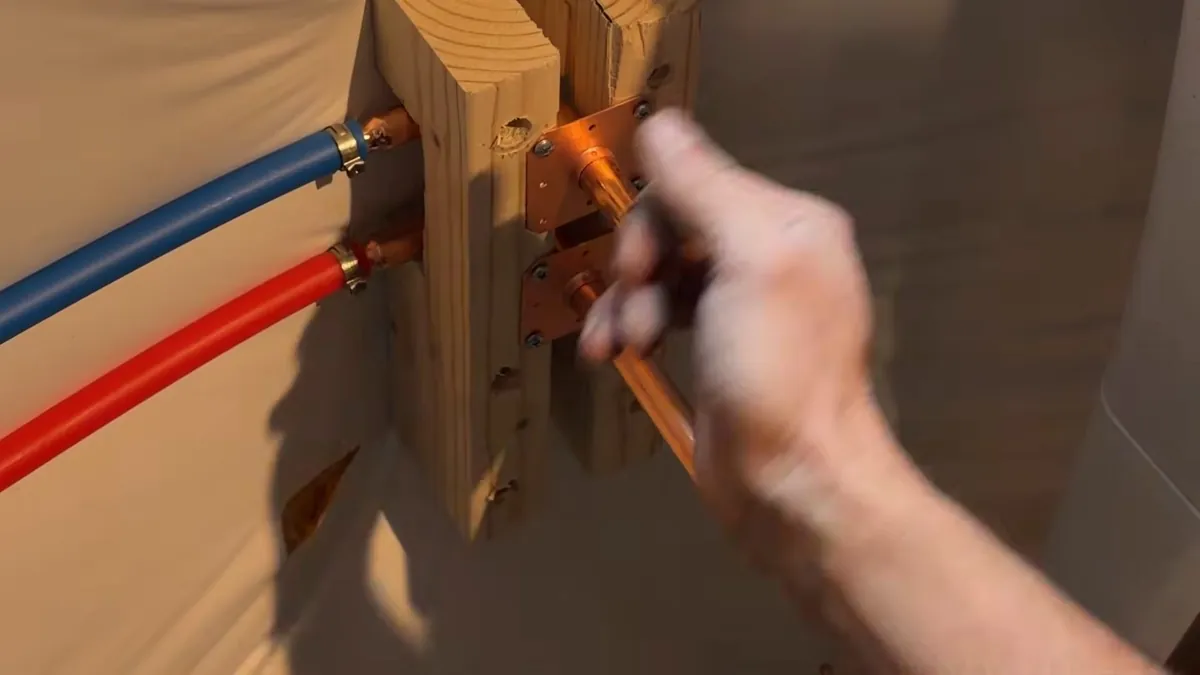
Cold snap and a leak? Get a plumber on the phone
Describe the pipe and whether the main is off, and a plumber serving your area can respond to the call.
☎ Call (303) 567-7524- Licensed and insured plumbers
- Same-day service when available
- 24/7 emergency dispatch