
Sewer Line Repair in Boulder: Find Out Whose Pipe It Is First
Many people assume that when sewage backs up, the city's pipe must be plugged. Sometimes it is. More often the blockage sits on the private side of the connection, and in Boulder that side is the homeowner's to repair.
Sorting out which side of the line has the problem takes a camera and a few minutes, and it decides who pays and what the repair looks like.
- Licensed and insured plumbers
- Same-day service when available
- 24/7 emergency dispatch
Whose pipe is it, from the house to the city main?
A homeowner who finds sewage at a floor drain wants two answers: how to stop it and who has to fix it. Boulder's published guidance answers the second question in a way that matters before you spend anything.
| Segment | Owner | Usual next step |
|---|---|---|
| Drains and branch pipes inside the house | Owner | Plumber clears or repairs the branch |
| Service line from the house to the connection | Owner | Plumber clears, lines or replaces the line |
| The connection to the city main | Owner, up to and including the connection | Plumber clears or repairs it and records the findings |
| The city main in the street | City of Boulder | A city matter; the plumber's footage supports your report |
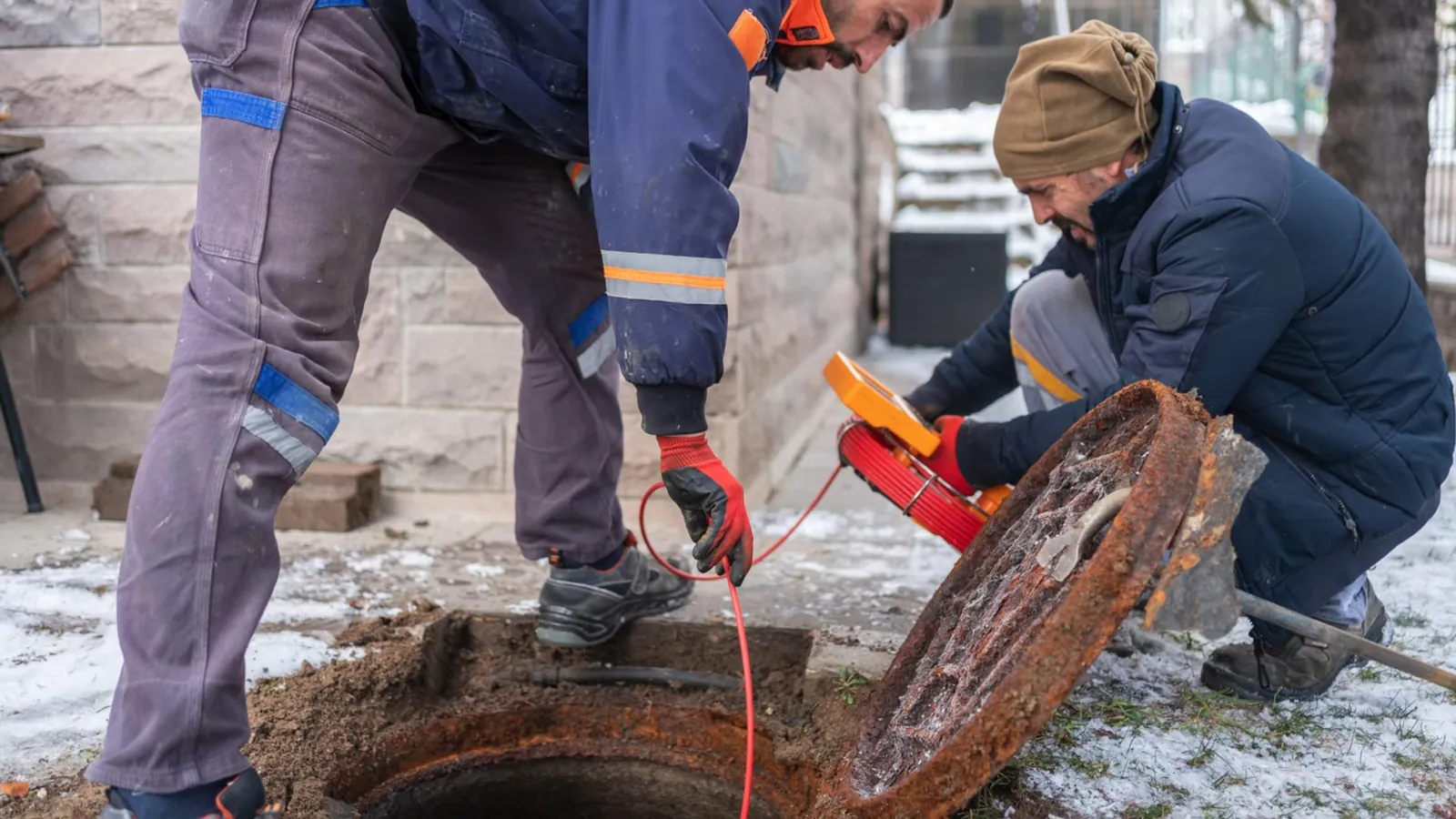
A camera run from the cleanout toward the street shows where the problem sits. If the blockage is at or beyond the connection, the plumber documents it so you can show the city. If it is on your side, the same footage supports the repair decision.
Sewage backing up: what to do in the first minutes
A backup is a health issue as well as a plumbing one. Raw sewage carries bacteria, so the early steps are about limiting contact and use.
- Stop running water: no flushing, laundry, dishwasher or long showers, since every gallon goes to the same pipe.
- Keep people and pets out of the wet area, and keep children away from the fixture that is backing up.
- Open windows if odor is strong, and turn off power to any wet area only from a dry spot.
- Take photos of the backup and what is on the floor before cleanup, in case you file a claim.
- Call the dispatch line and say which fixture backed up first; the lowest drain in the house usually goes first.
Wear gloves and boots if you must step in the wet area, and do not mix cleaners to mask the smell. Sewage that reached carpet, drywall or insulation needs more than a mop, and the water damage page explains drying and cleanup.
A camera inspection shows the pipe before anyone digs
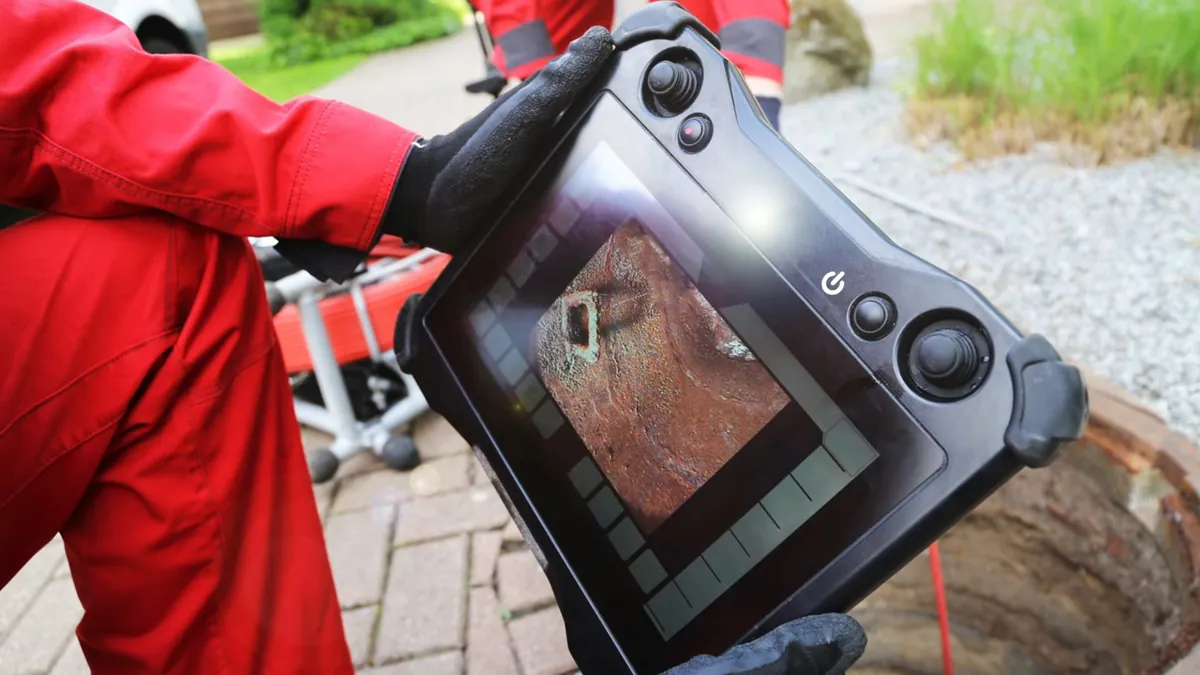
A sewer camera is a small waterproof lens on a flexible rod that travels through the pipe while recording video. It finds roots in a joint, a belly that holds water, a cracked section and an offset where one pipe has slipped from the next.
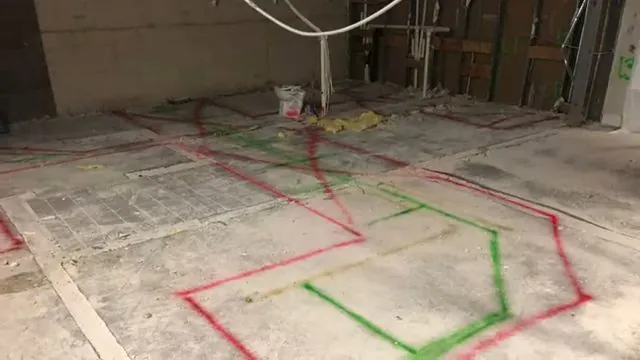
The footage is the basis for every decision after it. A plumber who proposes digging without looking first is guessing, and one who clears a clog without looking may be back in a month. Ask for the video, a mark on the surface showing the depth and route, and a plain description of what the camera found.
Sewer line backing up? Call now
Tell the dispatcher which drain failed first and whether sewage is on the floor, and a plumber serving your area can be sent.
☎ Call (303) 567-7524Sewer cleaning for roots, grease and wipes
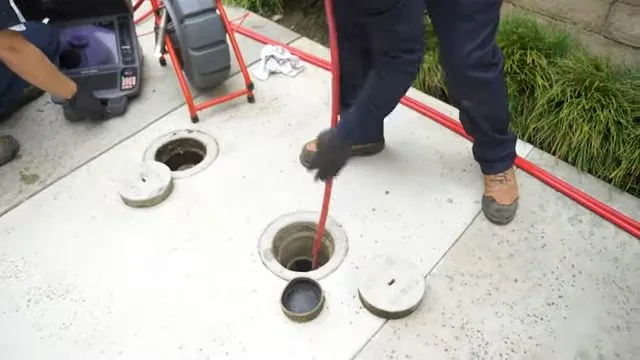
A cleaning is the right first move when the pipe itself is sound. A rooter machine cuts roots from joints, and a hydro jet scours grease and scale from the walls. The plumber then films the pipe to confirm the line is clear and to see what caused the plug.
The cleanout, a capped pipe usually at the foundation or in the yard, gives the plumber direct access to the line. Know where yours is before an emergency, and keep the area around it clear. If the problem is a single clogged fixture and not the whole house, the drain cleaning page describes the lighter tools.
Trenchless lining, pipe bursting or digging: comparing repair options
Repair depends on what the camera found. The four common approaches fit different pipe conditions.
| Method | When it fits | How it works |
|---|---|---|
| Lining the pipe | Pipe is cracked or leaking but still in line | A resin liner forms a new pipe inside the old one, through small access points |
| Pipe bursting | Pipe is too damaged to line and a straight route is available | A new pipe is pulled in as the old one is broken apart |
| Open excavation | Collapsed, offset or badly sagging pipe | A trench exposes the whole run for replacement |
| Partial spot repair | One failed section with sound pipe on both sides | A single section is replaced, often with a coupling |
Trenchless methods keep driveways, patios and mature trees intact, but they require a pipe that a liner or burst head can pass. Excavation takes more surface work and is sometimes the only honest answer. Before you agree to anything, ask where the access pits will be, how the surface will be restored, and what warranty covers the new pipe.
Cast iron, clay and Orangeburg: what the pipe material tells you
The material changes the repair. Cast iron rusts from the inside and flakes. Clay pipe cracks and welcomes roots at its joints. Orangeburg, a tar-paper-like fiber pipe used in the mid-twentieth century, can deform and collapse. A camera identifies the material, and the plumber can explain why a liner suits one and a replacement suits another.
Mainline clog or a failing sewer pipe?
Call, describe what the drains are doing and the dispatcher will connect you with a plumber for your address.
☎ Call (303) 567-7524Sewer line questions answered
The sewer main on our property is managed by our landlord. Can we still call a plumber?
Yes, and in an emergency you should. Picture a four-unit building where the basement unit sees sewage at its floor drain at night. Tenants cannot authorize repair on the shared line, but they can document the backup, stop using water, and call the property manager and a plumber at once. Whoever is responsible for the line approves the repair, while the plumber can clear the blockage and record what caused it.
Should I get a sewer scope inspection?
Yes, in three cases. First, before you buy an older house, since a camera shows what a standard home inspection cannot see. Second, after any backup, so you know whether it was a one-time plug or a failing pipe. Third, if mature trees stand near the line. What can wait is a scope on a young pipe with no symptoms. Ask for the footage and a written note of any sags or cracks.
My basement bathroom has a sewage ejector pump and it is failing. What are the signs?
Look for a pump that runs constantly, cycles on and off every few seconds, hums without moving water or fails to start. A sewer smell near the pit, a floor drain that bubbles and a toilet that drains slowly when the pump is quiet are also warnings. A pump lifts waste from a basement bathroom up to the main line, so replacement is usually a sensible fix once the motor or float has failed.
Is trenchless sewer repair better than digging up the yard?
Each wins in some cases. Trenchless methods, which line or burst the old pipe from two small access pits, save landscaping, driveways and trees, and they take less time on the surface. Open excavation lets a plumber see and replace every foot of pipe, including a badly collapsed or offset section that a liner cannot pass. A camera inspection settles the question, and the plumber should explain why one method suits your pipe.
Does a sewer lateral inspection matter when selling a home?
Yes, since a buyer's inspector may ask about it, and a camera report removes guesswork on both sides. A clean report shows the pipe was checked, and a report that finds a defect lets you decide on repair or a price adjustment before the closing deadline. Keep the video file and any written findings with your sale documents.
What does a sewer smell in the house usually mean?
Boulder's guidance makes the owner responsible for the line out to the city main, so a persistent sewer smell inside is yours to trace. Common causes are a dry floor drain trap, a cracked vent or drain line, a failing ejector lid seal, or a partial blockage that lets gas escape. A camera and a smoke or pressure test narrow it down. If you smell gas that is not sewer odor, leave the house and call 911.
When the problem is smaller or larger than the sewer line
A single slow fixture belongs with drain cleaning, and a failing supply pipe on the other side of the house is a water line repair job. If a sewer backup has soaked flooring or drywall, damage and drying work handles the drying.
Sewage in the house? Call a plumber now
Stop using water, then call the dispatch line. The dispatcher will confirm availability for your address.
☎ Call (303) 567-7524- Licensed and insured plumbers
- Same-day service when available
- 24/7 emergency dispatch