
Water Damage Restoration in Boulder: What to Do Before the Crew Arrives
Water damage is a race. A broken pipe, a failed appliance or a backed-up drain can soak drywall and flooring in an hour, and the damage grows until the water is out and the structure is dry.
This page covers removal and drying only. Fire and smoke cleanup is a different trade, so call that crew separately if soot is involved.
- Licensed and insured plumbers
- Same-day service when available
- 24/7 emergency dispatch
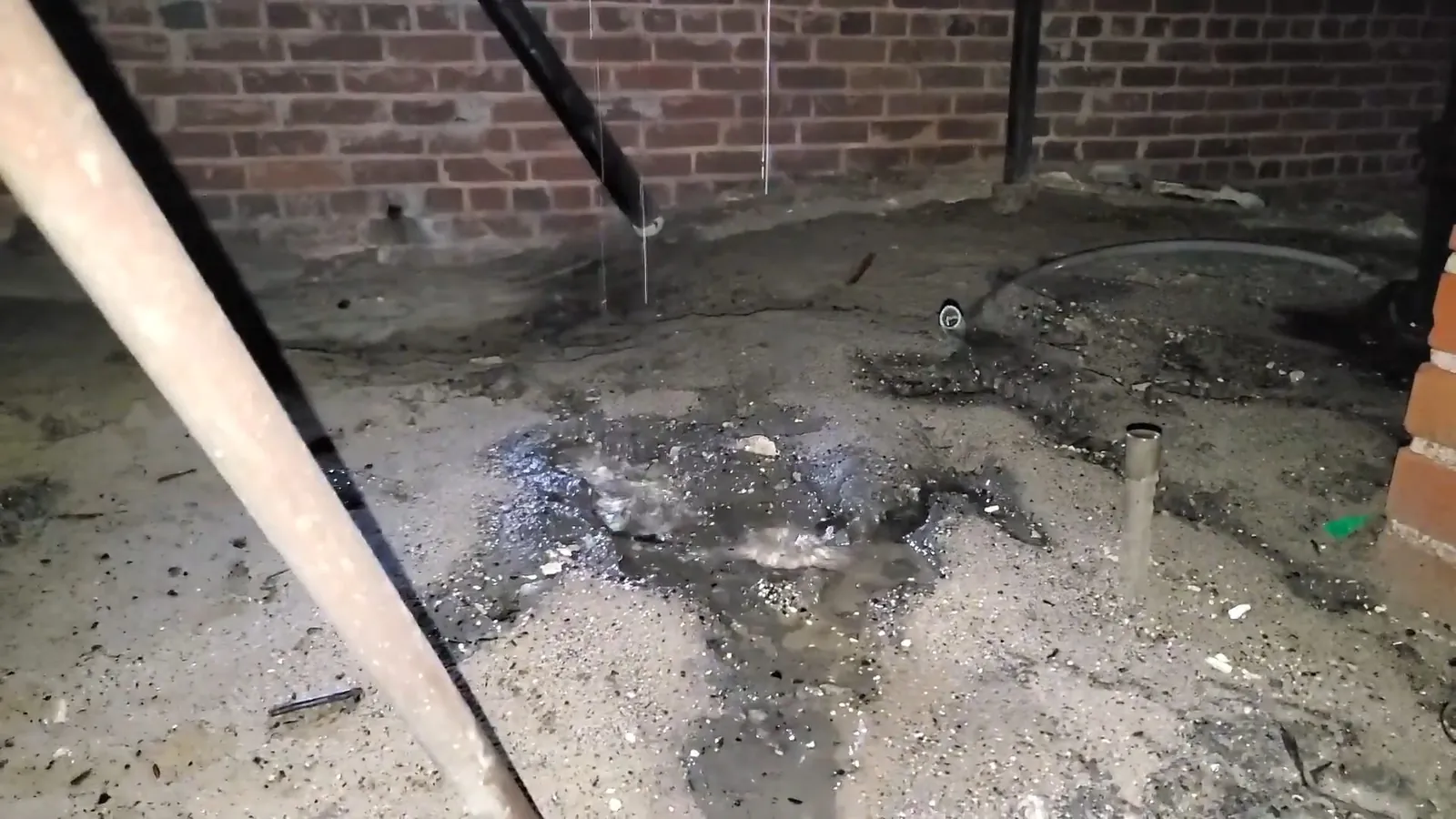
Stop the water, then decide: dry it yourself or call for a crew
The first decision is what is still wet and how long it has been wet. A small spill on a hard floor is a mop job. Water that has reached carpet, drywall, cabinets or insulation needs equipment, and the clock starts when the water arrives.
- Stop the source: close the main valve, a fixture valve or an appliance supply.
- Switch off the breaker for any wet room, but only from a dry spot.
- Photograph and video the damage before moving anything.
- Move electronics, rugs and papers to a dry room.
- Call for water removal and drying, then your insurer.
A crew starts by extracting standing water, then measures the moisture in walls and floors to find how far it reached. The plan lists which materials can be dried in place and which have to come out.
Where the water came from changes the plan
Clean water from a pipe is different from water that came through a drain or from outside. The source decides which materials are saved and which are discarded.
| Source | Water type | Typical response |
|---|---|---|
| Burst pipe or supply line | Clean water | Fast removal, dry in place where possible |
| Washer or dishwasher overflow | Clean water | Dry cabinets and flooring edges |
| Water heater failure | Clean water | Extract, dry slab or subfloor |
| Sewage backup | Contaminated water | Remove and dispose of porous materials; sanitize |
| Groundwater or storm seepage | Ground-level water | Dry basement, find the entry point |
Sewage in the house is a separate hazard. Do not wade through it or run a vacuum in it. The crew wears protective gear and discards soaked porous materials such as carpet padding and drywall that touched contaminated water.
Water in the house right now? Call the water damage line
Say where the water is and whether the source is stopped, and a crew can be arranged for your address.
☎ Call (720) 715-9391How drying works and how long it takes
Drying is not hanging a fan in a room. Air movers push dry air across wet surfaces, dehumidifiers remove moisture from the air and moisture meters track progress daily. The crew adjusts the equipment as readings fall.
- Extraction of standing water first, since it is the fastest way to remove moisture
- Air movers aimed along wet floors and walls to speed evaporation
- Dehumidifiers to pull moisture out of the air in a closed room
- Daily moisture readings recorded against a dry reference
- Removal of materials that cannot dry, such as wet padding and sagging drywall
Drying takes days, not hours, and thick materials and basements take longer. Equipment stays until the readings meet the target.
Flooring, drywall and what has to come out
Hardwood, laminate, carpet and drywall react differently. Carpet over a good pad can sometimes be dried in place if the water was clean. Drywall that has wicked water more than a short way up often has to be cut out.
| Material | If water was clean | If water was contaminated |
|---|---|---|
| Carpet and pad | Dry in place or lift and dry | Discard |
| Hardwood and laminate | Dry with floor mats; some cupping is possible | Discard affected boards |
| Drywall | Cut flood cut if wicked; dry cavity | Remove and discard |
| Insulation | Often removed if saturated | Remove |
| Cabinets and trim | Dry and inspect | Remove toe kicks, assess |
Reconstruction, painting and new flooring are a separate stage handled by other trades. The crew's scope ends when the structure is dry.
Basements, groundwater and the leak that is not from a pipe
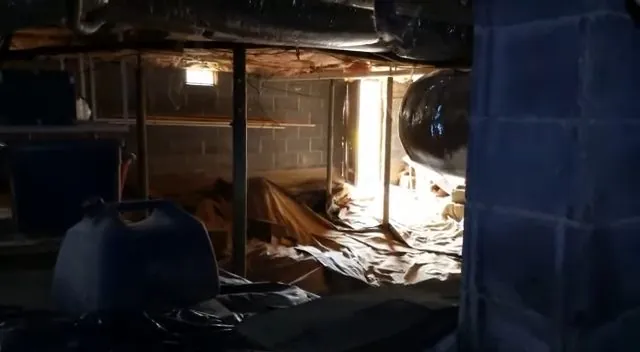
A wet basement is not always a plumbing leak. Water coming up through the slab or through the wall after rain suggests groundwater or a drainage problem. A plumber confirms whether any pipe is involved before anyone repairs a pipe that is not leaking.
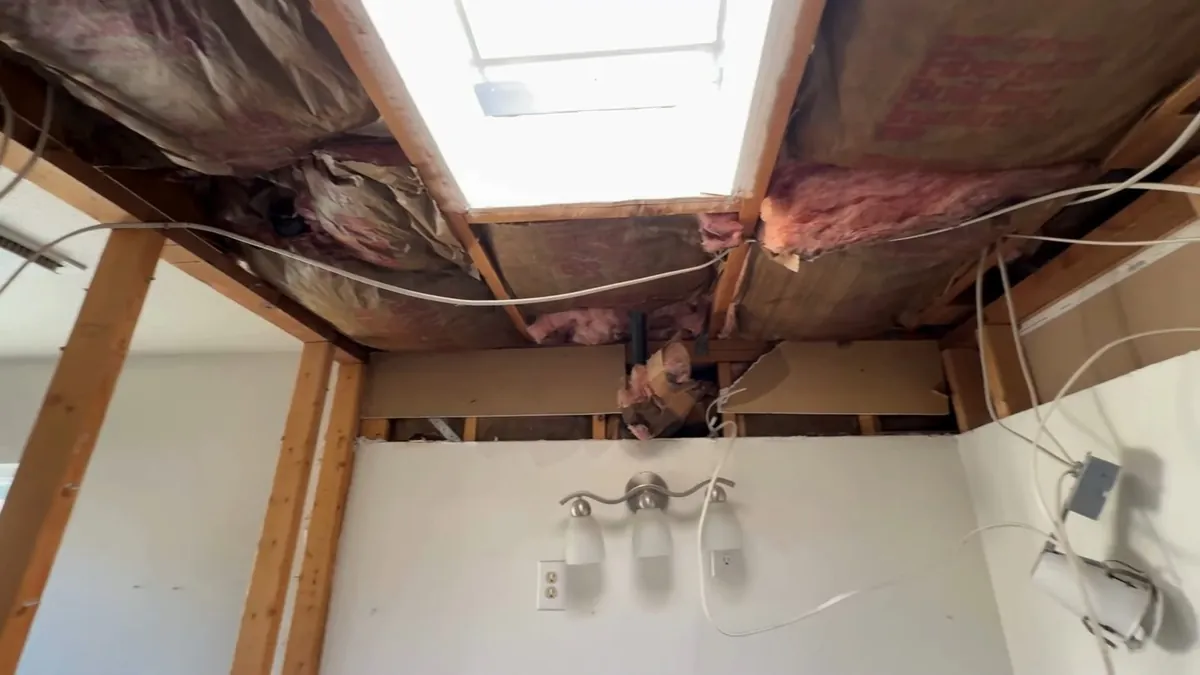
Not every wet ceiling starts at a plumbing pipe. Roof leaks, an air-conditioner condensate line or an irrigation line can soak a ceiling or wall, and a crew dries the structure the same way while the right trade fixes the source. Condo, apartment and rental units add a wrinkle, because water travels to the unit below, so tell the property manager at once.
Musty odors after water damage usually mean wet material is still in the structure, so removal and drying come before any deodorizing. Mold testing and remediation are a separate scope from drying, and fast extraction and dehumidifying are what limit mold growth in the first place.
Keep records: dates, photos and the moisture readings. They help with the insurer, and they show whether the problem returns.
Basement or floors soaked? Call for water removal
A crew can extract, dry and report moisture readings to your insurer.
☎ Call (720) 715-9391Water damage questions homeowners ask
How soon does water removal need to start?
As soon as possible. Standing water spreads into drywall, insulation and subfloors, and wet materials keep absorbing. Stop the source, move what you can to a dry place and call for removal and drying. The sooner the water is out and the air is moving, the less has to be torn out.
Does homeowners insurance cover water damage in Colorado?
Often for sudden events such as a burst pipe, though coverage varies by policy and cause. The Colorado Division of Insurance notes that flood damage is generally not covered by a standard homeowners policy and needs a separate policy. Read your policy, call your insurer early and ask what documentation they want before permanent repairs.
What does drying equipment actually do?
Air movers push dry air across wet surfaces and dehumidifiers pull moisture out of the air so it does not settle back into materials. Moisture meters track progress and tell the crew when a wall or floor is dry. The equipment runs for days, not hours, and readings decide when it comes out.
My basement took on water after a storm. Is that a plumbing problem?
The source decides. Water from a burst pipe or a failed appliance is plumbing. Water that seeps up through the floor or in through the walls after heavy rain may be groundwater. Boulder's groundwater guidance explains the difference, and a plumber can test whether a pipe is involved before you spend money on the wrong fix.
After the water is out
A pipe that failed needs pipe repair. Floor drains that keep backing up point to clearing the drain line. A leak you cannot find belongs with finding a hidden source. A sewer backup also involves sewer line work, and a water heater that flooded the room moves to replacement.
Water damage? Call the water damage line
Call and describe the damage, and a crew serving your area can be arranged.
☎ Call (720) 715-9391- Licensed and insured plumbers
- Same-day service when available
- 24/7 emergency dispatch