
Slab Leak Repair in Boulder Begins With What Your Floor Is Made Of
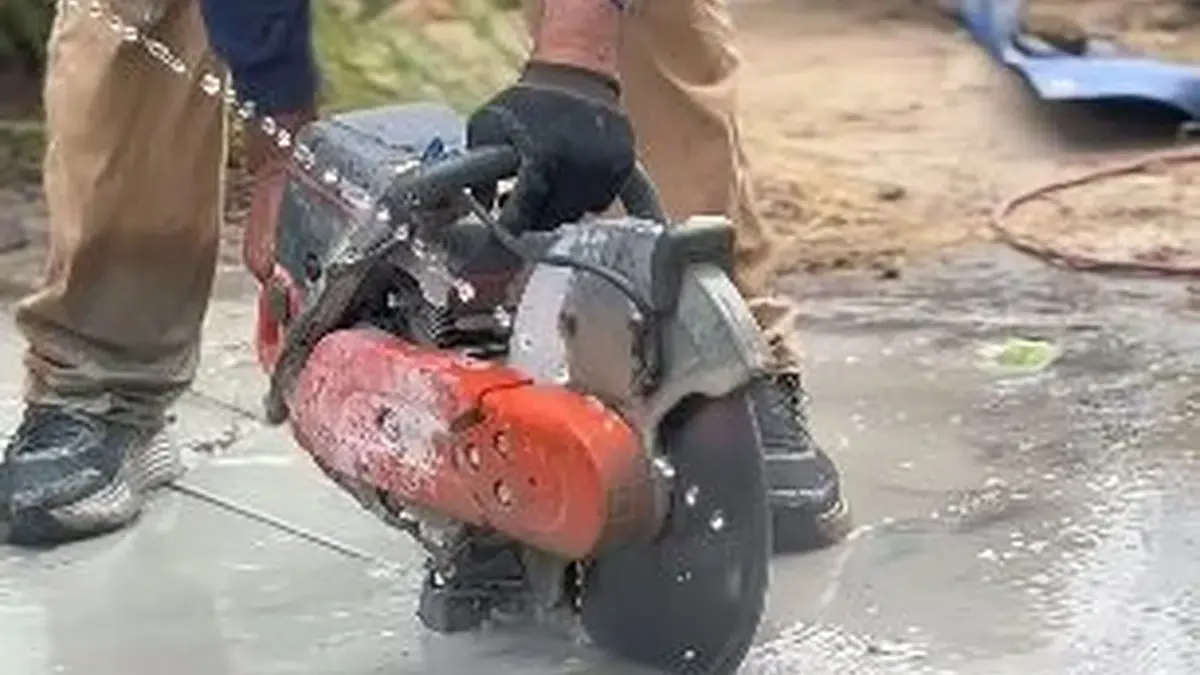
A damp floor is not the same as a slab leak, and a warm patch is not proof either. Plenty of houses stand on a basement or a crawl space, and those have no pipes buried in concrete at all. The first step is to confirm what is actually under your feet.
If the house does sit on a slab and the water meter keeps moving, a leak under the floor is worth ruling in or out quickly, because water under concrete can wash away the soil beneath it.
- Licensed and insured plumbers
- Same-day service when available
- 24/7 emergency dispatch
Confirm your foundation before you suspect the slab
There is a reason the first question on this page is about concrete. A homeowner who sees a wet floor and a high bill may assume a slab leak, while the real cause is a toilet flapper or a basement drain. A plumber cannot fix the right thing until you both know what the house is built on.
| Foundation | Where a hidden leak appears | First step |
|---|---|---|
| Slab on grade | Pipes run in or under the concrete, so leaks stay hidden until the floor warms or the meter shows loss | Locate by sound and heat, then choose spot repair or reroute |
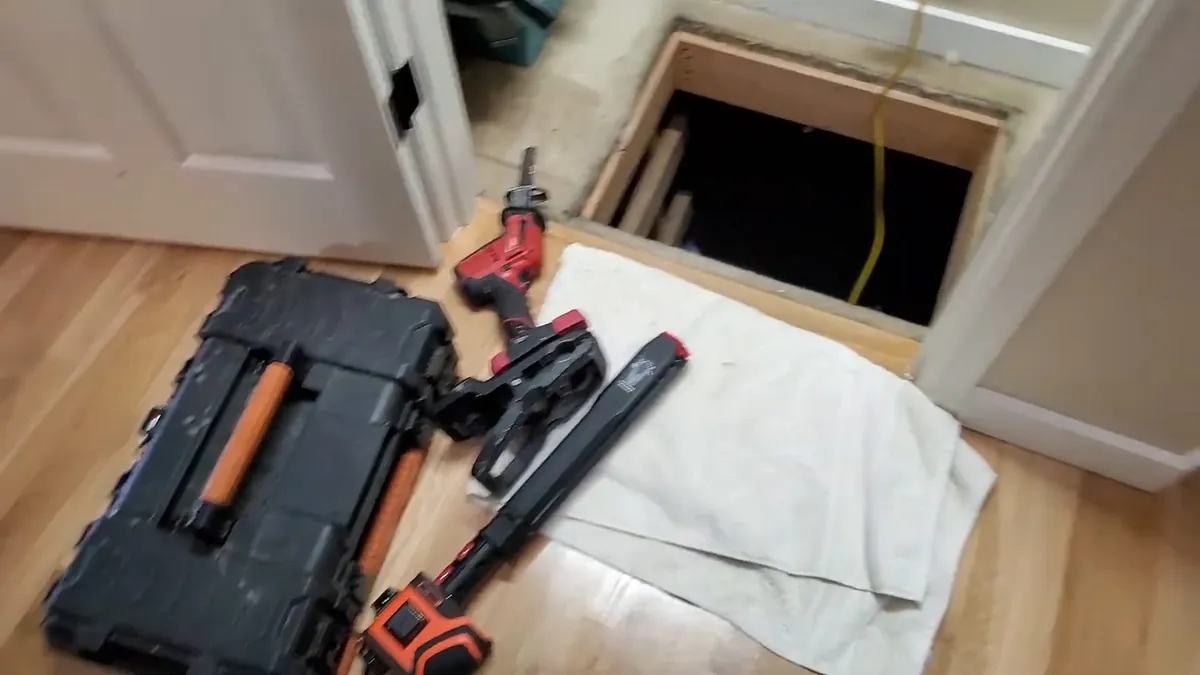
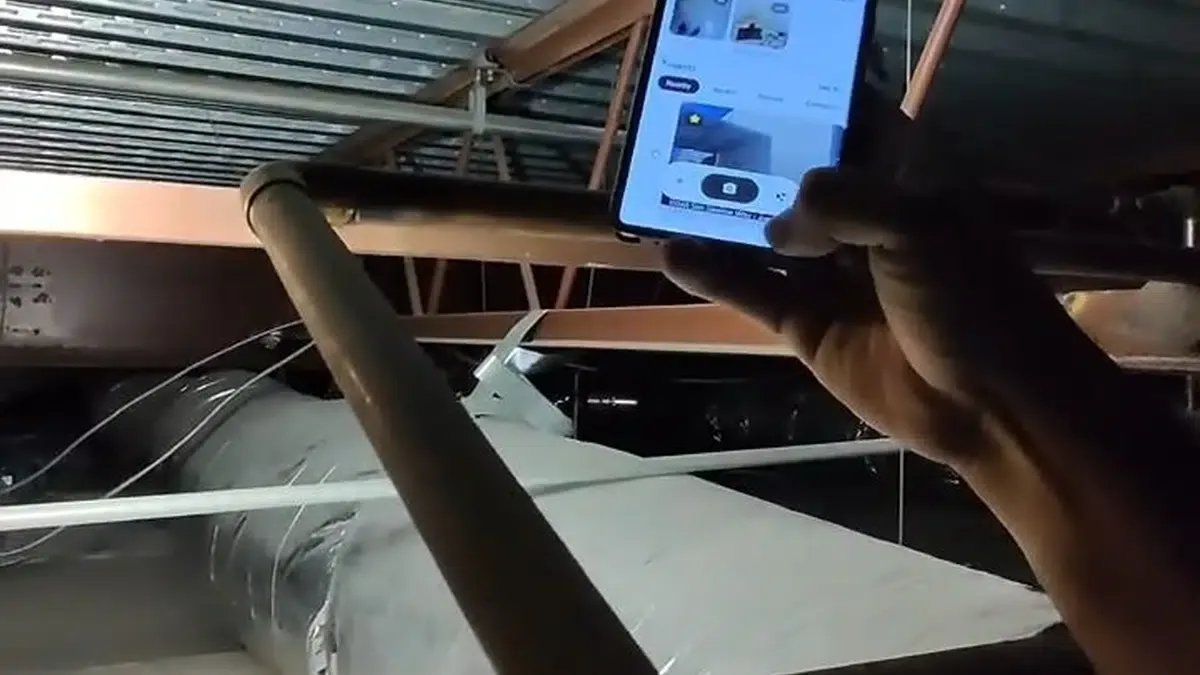
| Crawl space | Supply and drain lines hang under the floor where a light and a camera can reach them | Look and listen first; usually no concrete work |
| Basement | Most pipes run along ceiling joists and walls; a wet floor may be groundwater or a drain | Rule out a drain or fixture leak before suspecting the slab |
You can usually tell by looking. A garage floor and an interior floor at the same height, with no access hatch and no stairs down, suggests a slab. A hatch in a closet floor suggests a crawl space, and a stairway down suggests a basement. Inspection reports and closing papers often name the foundation. If the paperwork conflicts with what you see, say so when you call.
Signs that point to water under the floor
These signs are strongest in combination, so write down which ones you have before the plumber arrives.
- A warm or hot patch on a floor that is otherwise cool, often near a bathroom or the water heater
- The sound of running or hissing water when every fixture is closed
- A meter dial that moves with the main valve open and all taps shut
- Damp carpet, lifting laminate or a musty smell that returns after drying
- A bill that rises without a change in how the household uses water
- Water at the base of a wall that is not tied to rain or a nearby fixture
Cracks and uneven floors belong on a different list. Given how the ground here swells and shrinks, a crack by itself says little about plumbing, and a plumber will not blame the pipes for movement that has another cause.
Meter spinning and the floor feels warm? Call now
Tell the dispatcher the house is built on a slab and describe where it is warm, and a plumber serving your area can plan the locate.
☎ Call (303) 567-7524Slab leak detection and repair start with sound and heat
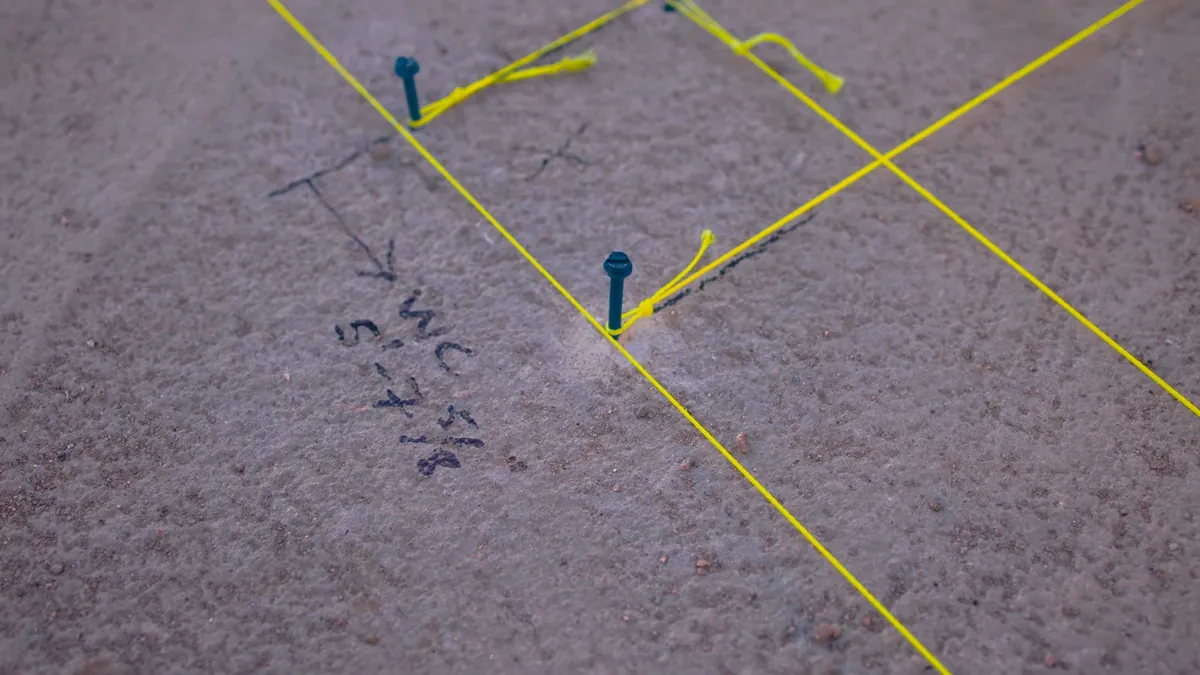
Locating a leak under concrete is a measurement job. The aim is a mark on the floor within a few inches of the break, so any opening is small and planned.
- Confirm a leak exists by isolating the water supply and watching pressure and the meter.
- Separate hot from cold, and supply from drain, by shutting valves and testing each line on its own.
- Trace the route with electronic listening equipment, since escaping water makes a distinct noise in a pipe.
- Add thermal imaging on hot lines, where warm water shows as a pattern on the floor surface.
- Mark the spot, photograph the layout and agree on the repair path before anything is cut.
Skipping the locate step is how a floor ends up with three holes where one would do. A good plumber will show you the mark and explain the reading, and will say plainly when the reading is not conclusive and a second method is needed.
Spot repair, reroute or something else?
The fix depends on where the leak is, what the pipe is made of and how many leaks the system has had. The table compares the common choices so you can ask the right questions.
| Method | When it fits | Trade-off |
|---|---|---|
| Spot repair through the slab | A single failed section with clear access from above | Concrete is opened and patched, and flooring over it is lifted |
| Tunnel under the slab | A leak where the floor above should stay intact | Digging from outside takes longer and needs room to work |
| Reroute through walls or attic | Older or repeatedly leaking lines under the floor | Abandons the buried pipe and opens walls to run a new line |
| Epoxy or lining | Pipe in decent shape that needs sealing from inside | Not every pipe qualifies; ask for the camera findings first |
| Repipe the house | Many leaks across the same system | Largest scope; see the repiping page |
A single leak in an otherwise healthy line often calls for a spot repair. Repeated leaks in the same pipe usually point to a reroute, since each new break costs another round of floor work. Ask whether the plumber will test pressure again before closing the floor, and ask who handles the flooring afterward.
Insurance, records and what to write down
Insurance policies treat slab leaks differently, and some separate the plumbing repair from the water damage it caused. Read your policy or ask your agent what is covered before work starts, and keep the plumber's written findings.
- Photos of damp or warm areas, with dates
- Meter readings before and after the shutoff test
- The plumber's description of the leak location and cause
- Receipts for drying equipment and repair work
If water has already reached carpet, cabinets or drywall, the water damage restoration page explains drying and what the scope covers.
Water under the floor does not wait
Call now, say the house is on a slab and how long the meter has been moving.
☎ Call (303) 567-7524Slab leak questions answered
What is a slab leak?
A slab leak is a leak in a water or drain line that runs in, under or through the concrete floor of a house built on a slab. A house on a basement or crawl space does not have one in the usual sense, since its pipes hang in open air where a leak can be seen. If your home has a concrete slab and the meter turns with every fixture off, a line under the floor is a suspect.
What does a slab leak look like from the inside of the house?
Boulder County sits on soils that swell and shrink, and the Colorado Geological Survey has documented cracked and heaved concrete here, so a crack in a floor is not proof of a leak. The signs that do point to water are a warm patch on the floor, the sound of running water with everything off, a damp spot on carpet that returns after drying, and a bill that climbs for no reason.
Water is spreading across the floor. What do I do right now?
Follow this order. 1. Shut the main valve inside the house or at the meter. 2. Open the lowest faucet to relieve pressure if water is still coming up. 3. Turn off power to any wet room at the breaker, only if you can reach the panel without standing in water. 4. Lift rugs and electronics away from the wet area and photograph everything. 5. Call the dispatch line and say the house is on a slab.
We keep hearing water running at night and the floor feels warm near the water heater. Is that a slab leak?
It might be. Picture a hot water line running under the floor from the heater to a bathroom: when it pinholes, hot water warms the concrete above it, and the sound carries through the slab on a quiet night. The test is a meter check with every fixture off, then a plumber isolating the hot and cold sides to see which one is losing pressure. A warm spot plus a spinning meter is a strong reason to book a locate.
If it turns out not to be the slab
A leak that is not under concrete is covered by general leak detection, and a house with failing lines throughout is a candidate for pipe replacement. For urgent calls the dispatch line on the homepage is open day and night.
Think there is a leak under your floor? Call
Describe the symptoms and the dispatcher will connect you with a plumber who covers your address.
☎ Call (303) 567-7524- Licensed and insured plumbers
- Same-day service when available
- 24/7 emergency dispatch